Understanding HEPA Filter Classes on Clean Benches and Their Efficiency in Particle Filtration
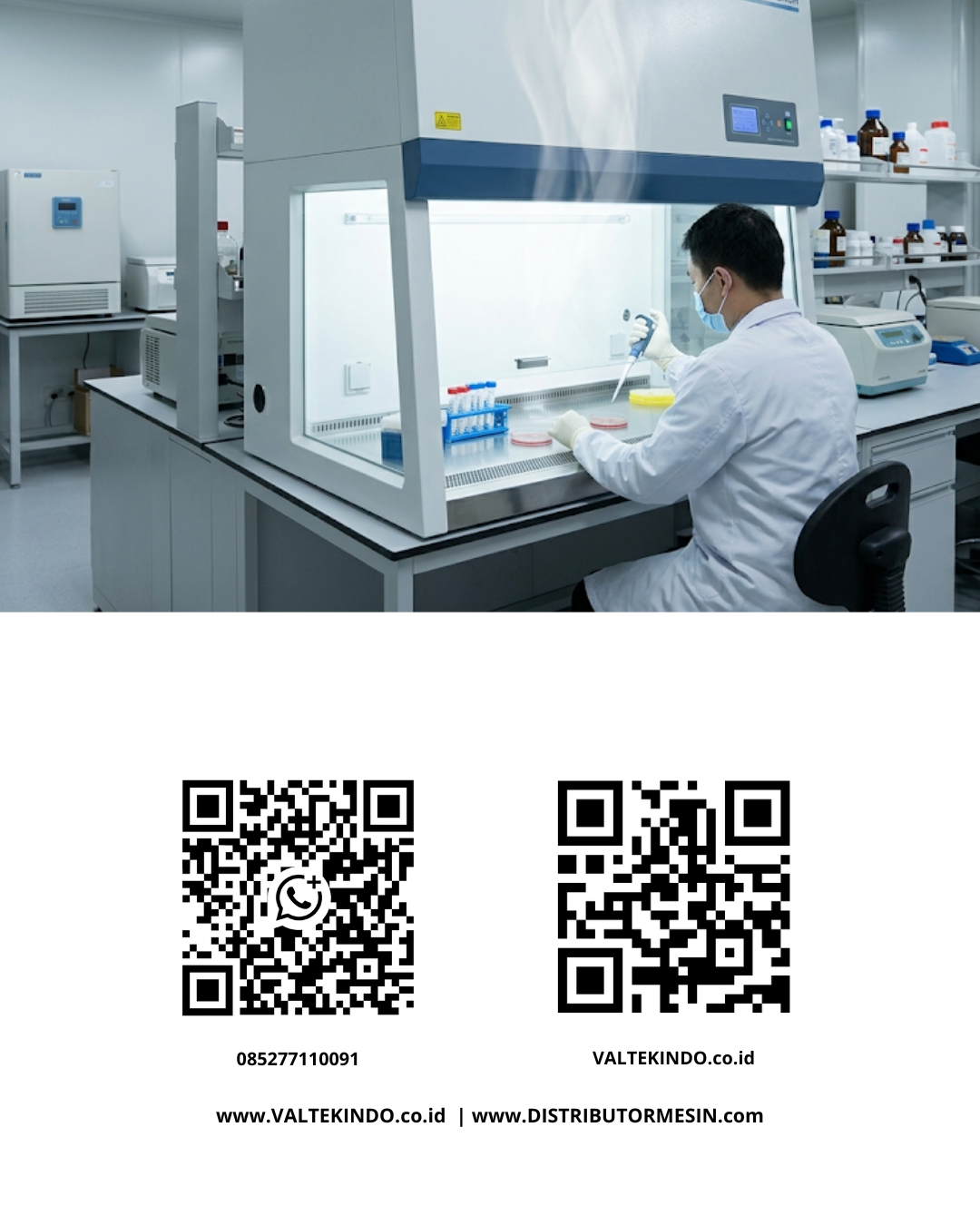
In the world of laboratory research and precision industries, maintaining a sterile working environment is a top priority. One of the most crucial instruments for achieving this standard is the clean bench. This device creates a localized workspace free from contaminants by utilizing a high-level air filtration system. At the heart of every clean bench unit lies a vital component known as the HEPA (High-Efficiency Particulate Air) filter. Understanding these filter classes is essential for laboratory practitioners to ensure sample safety and the accuracy of research results.
What is a HEPA Filter and How Does It Work?
A HEPA filter is a pleated mechanical air filter specifically designed to capture extremely small particles. Unlike ordinary filters, HEPA works through a combination of three main physical mechanisms: interception, impaction, and diffusion. Large particles are trapped through interception and impaction as they collide with the filter fibers, while much smaller particles (under 0.1 microns) are captured via Brownian motion or diffusion.
In the application of a vertical air flow clean bench, air is pushed through this filter to produce a consistently clean laminar airflow. This ensures that the work area beneath or in front of the filter remains sterile from microorganisms and microscopic dust that could compromise the integrity of an experiment.
HEPA Filter Classification Based on International Standards
Not all HEPA filters are created equal. Globally, the EN 1822 standard is the most frequently used reference for classifying filter efficiency. Based on this standard, high-efficiency air filters are divided into several main classes:
- Class H13: Has a minimum filtration efficiency of 99.95% for 0.3-micron particles (MPPS - Most Penetrating Particle Size).
- Class H14: A higher level with a minimum efficiency of 99.995%. This class is often considered the gold standard for microbiology and pharmaceutical laboratories.
- Class U15 and above (ULPA): Known as Ultra-Low Penetration Air, these filters can filter up to 99.9995% of particles, typically used in highly sensitive semiconductor industries.
The Importance of Efficiency in Particle Filtration
Filter efficiency directly determines the air cleanliness inside the cabinet. The 0.3-micron particle size is often used as a benchmark because it is the most difficult size for mechanical filters to capture. If a filtration system can capture 99.99% of particles at that size, it will be significantly more effective at capturing both larger and smaller particles.
Choosing a device with the right filtration system helps prevent cross-contamination. For instance, in tissue culture processes or electronic component assembly, a single dust particle can lead to fatal failure. Therefore, ensuring that the unit used complies with industry standards is a preventative step that should not be overlooked in modern laboratory facility management.
Maintenance and Filter Lifespan
HEPA filter efficiency is not permanent. Over time, the accumulation of particles on the filter surface will increase air resistance (pressure drop). This can lead to a decrease in the laminar airflow velocity within the clean bench. Regular monitoring using a manometer is highly recommended to determine when the filter needs to be cleaned or fully replaced. The use of a high-quality pre-filter also greatly assists in extending the life of the main filter by capturing larger particles first.
Optimize Your Industry Today!
Achieve production efficiency and the highest quality standards with a trusted industrial machinery provider. Explore our wide selection of premium processing and testing equipment at:
Website : valtekindo.co.id
Wesbite : distributormesin.com
Consult your technical needs with our expert sales team:
WhatsApp 1: +62 852-2211-0091
WhatsApp 2: +62 852-7711-0091

Admin
AuthorAdmin is a writer on the Valtekindo website, providing informative content about High Quality Industrial Machinery and Testing Machines.
Related post:
- Pharmaceutical Factory Production Escalation Strategy: Why Investing in an Automatic Capsule Filling Machine is the Most Crucial Business Decision
- High-Precision Wire Cut EDM Technology in 2026: The Ultimate Solution for Mold Making, Stamping Dies, and Automotive Component Fabrication Without Thermal Distortion
- 2026 Automated Carton Sealer & Erector Investment Guide: End-of-Line Automation Strategies for Industrial Plant Efficiency