Understanding Embossing Technology: How Character-Raising Machines Work on Metal Surfaces
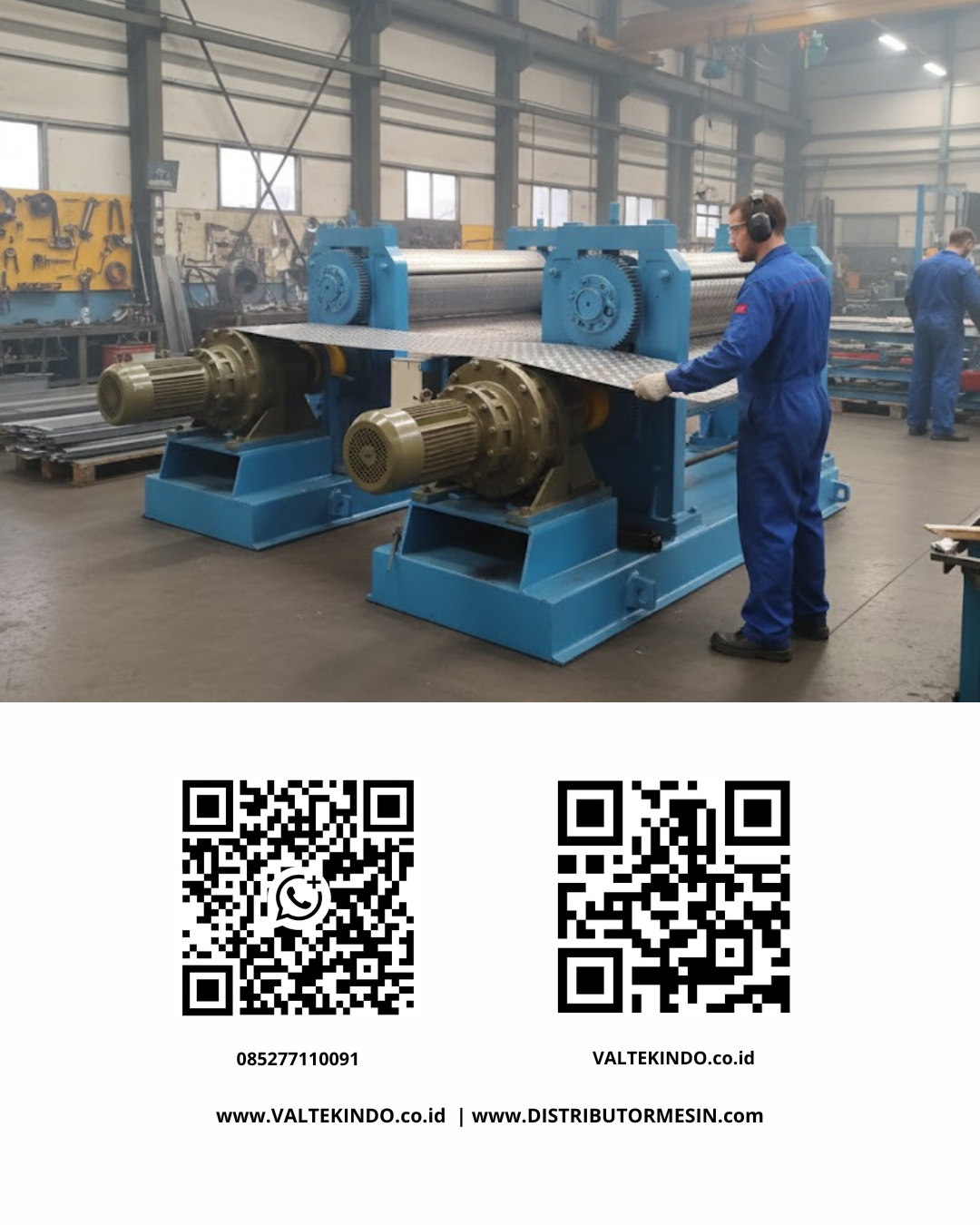
In the world of manufacturing and product identification, aesthetics and functionality often go hand in hand. One of the most enduring and effective techniques for providing a permanent identity to a material is embossing technology. Simply put, embossing is the process of shaping a material to create a raised effect or three-dimensional characters on the surface of a workpiece. In the heavy industrial sector, this technique has become the primary standard for marking metal plates, machine components, and durable identification labels.
What is Metal Embossing Technology?
Metal embossing technology involves the plastic deformation of a material without significantly reducing its base mass or thickness. Unlike engraving techniques, which carve into the metal surface to form a pattern, embossing presses the material from one side so that it protrudes on the other. The result is a character that is not only visually striking but also tactile, meaning it can be felt by touch.
The main advantage of this technology is its durability. Because the characters are formed from the structure of the metal itself, the information provided will not fade due to chemicals, peel off like a sticker, and remains readable even if covered by paint or subjected to extreme friction. This is why many industries look for references through a web-based industrial machinery provider to understand the specifications of devices capable of generating consistent, precision pressure.
Mechanism and Operation of Embossing Machines
The working principle of these character-raising machines is based on powerful mechanical or hydraulic pressure. Technically, this process involves two main components known as the "male die" and the "female die."
- Character Arrangement: Modern machines are usually equipped with a drum system or character wheels containing an array of letters, numbers, or symbols. Operators can set the desired character sequence digitally or manually.
- Plate Positioning: The metal sheet or identification plate is placed between the two dies. The precision of this positioning is crucial to ensure characters are not tilted and have a uniform depth.
- The Pressing Process: When the machine is activated, the male die presses the metal sheet into the cavity of the female die. This pressure exceeds the metal's elastic limit but stays below its fracture point, causing the metal to deform permanently to match the die's profile.
- Final Result: Raised characters appear on the top surface, providing high visibility that greatly assists in inventory processes or tracking components in the field.
Large-scale industries now prefer devices with high efficiency, as described in the technical brochure for metal embossing machines, where production speed and accuracy are the primary parameters for operational success.
Common Materials Used
While these machines are designed for metal, not all metals behave the same way during processing. The most commonly used materials include:
- Aluminum: Highly popular due to its soft, rust-resistant, and lightweight nature. It is very easy to shape even with low pressure.
- Stainless Steel: Used for extreme, corrosive environments (such as the oil and gas industry). It requires machines with a much higher tonnage of pressure.
- Brass and Copper: Often used for decorative needs or specific instruction labels due to their distinctive colors.
Applications of Embossing Technology Across Sectors
The application of this character-raising technology is vast, covering various fields that require permanent marking systems:
- Automotive: Chassis numbering (VIN numbers) and vehicle license plates.
- Energy and Utilities: Labels on gas tanks, electrical transformers, and transmission pipes exposed to outdoor weather for decades.
- Logistics: Labels on shipping containers to ensure shipping data remains intact even after heavy impacts.
- Military: Used for dog tags or personnel identification tags that must withstand heat and seawater.
Conclusion
Embossing technology remains an irreplaceable choice in modern industry due to its ability to produce the toughest permanent marks. With the development of increasingly sophisticated automated machines, the process of raising characters can now be done faster without compromising precision quality. Understanding the workflow and capabilities of these machines is a crucial first step for companies looking to raise their product identification standards.
Optimize Your Industry Today!
Achieve production efficiency and the highest quality standards with a trusted industrial machinery provider. Explore our wide selection of premium processing and testing equipment at:
Website : valtekindo.co.id
Website : distributormesin.com
Consult your technical needs with our expert sales team:
WhatsApp 1: +62 852-2211-0091
WhatsApp 2: +62 852-7711-0091

Admin
AuthorAdmin is a writer on the Valtekindo website, providing informative content about High Quality Industrial Machinery and Testing Machines.
Related post:
- Pharmaceutical Factory Production Escalation Strategy: Why Investing in an Automatic Capsule Filling Machine is the Most Crucial Business Decision
- High-Precision Wire Cut EDM Technology in 2026: The Ultimate Solution for Mold Making, Stamping Dies, and Automotive Component Fabrication Without Thermal Distortion
- 2026 Automated Carton Sealer & Erector Investment Guide: End-of-Line Automation Strategies for Industrial Plant Efficiency