Understanding Automation Technology in Modern Lunch Box Production Processes
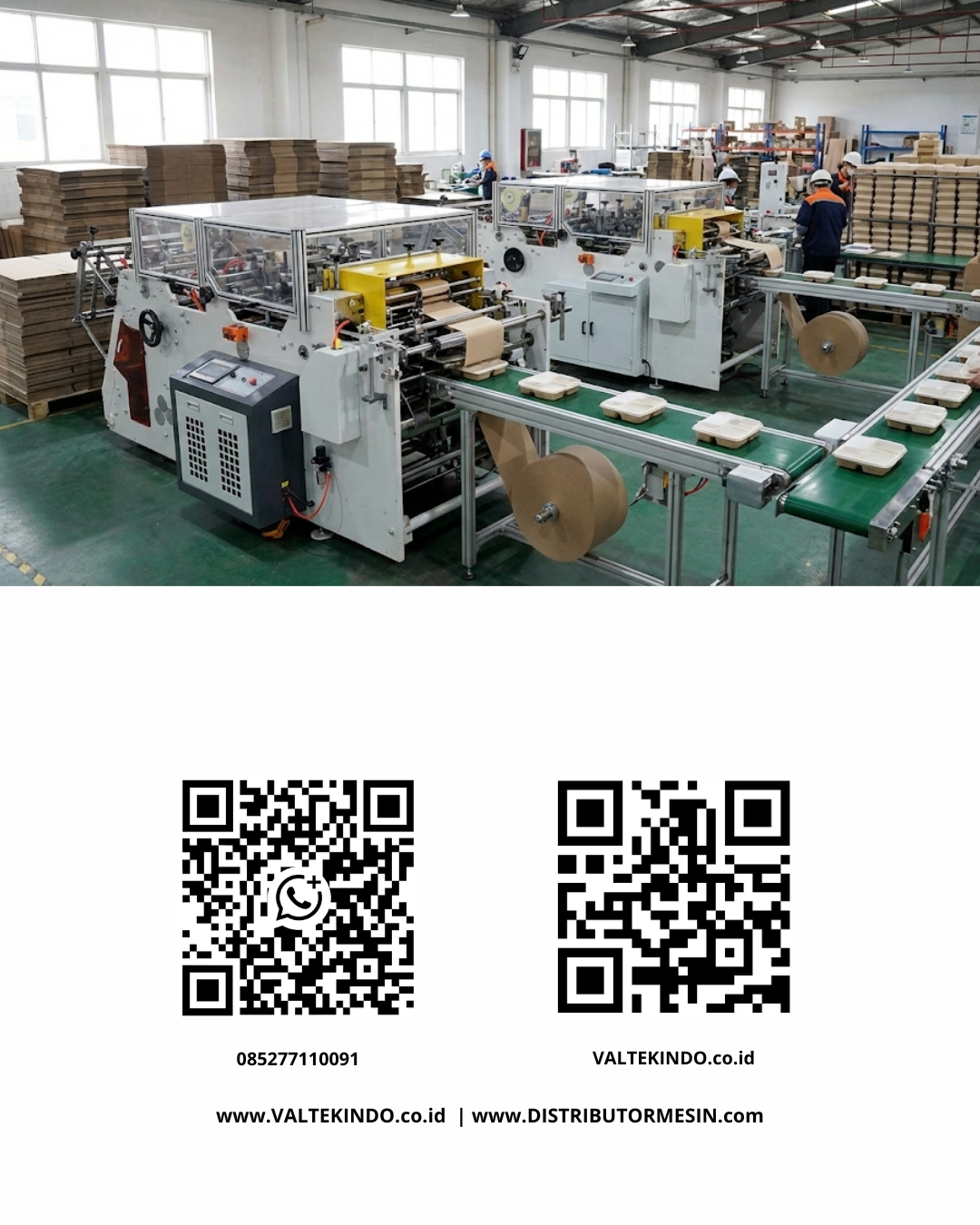
In today’s fast-paced global economy, the food packaging industry has undergone a massive paradigm shift. Gone are the days when the manufacturing of food containers or lunch boxes relied heavily on time-consuming manual labor. Today, automation technology has stepped in, transforming the landscape entirely. Automation is no longer just an optional upgrade; it is a fundamental necessity for industries aiming to maintain high standards of consistency, hygiene, and production efficiency.
The Transformation of the Food Packaging Industry
The market demand for food packaging that is safe, hygienic, and environmentally friendly has seen a significant surge. This shift has encouraged manufacturers to move away from traditional single-use plastics toward more sustainable materials like paperboard or specialized polymers. However, processing these materials at scale requires a level of precision that is nearly impossible to achieve through manual intervention.
This is where automation systems play a pivotal role. By integrating computer-controlled logic with high-precision mechanics, the process of forming food containers can now be completed in a matter of seconds. This technology allows for mass production without compromising the structural integrity of each individual unit. Utilizing reliable industrial machinery solutions has become the cornerstone for many factories looking to remain competitive and responsive to global market trends.
How Automated Lunch Box Machines Operate
Technically, the production of a modern lunch box involves several stages that are seamlessly integrated into a single workflow. It all begins with the feeding stage, where paper sheets or raw materials are precisely drawn into the system. This stage must be highly accurate to prevent material misalignment and subsequent waste.
Next, the material moves into the forming stage. At this point, the machine applies specific pressure and temperature to shape the material according to the desired mold. For paper-based containers, advanced technologies such as ultrasonic welding or high-temperature heat sealing are often used to join the sides without the need for chemical adhesives that could pose health risks. This process ensures that the final product remains sturdy and safe when coming into direct contact with hot food.
The entire sequence is monitored by smart sensors capable of detecting even the smallest deviations. If a size discrepancy or a production defect is identified, the system automatically rejects the item from the main line. The precision of these sensors is what makes automated lunch box manufacturing systems a highly valuable long-term investment for any industrial manufacturing operation.
Key Advantages of Implementing Automation
Adopting automation within a production line offers strategic benefits that go far beyond simple speed. Below are some of the primary advantages:
- Guaranteed Hygiene: One of the most critical aspects of the food industry is cleanliness. By minimizing human contact during the production process, the risk of bacterial contamination or foreign particles is reduced to the lowest possible level.
- Accuracy and Consistency: Every container produced has identical dimensions, strength, and appearance. This consistency is vital for secondary packaging and distribution processes, where containers must be perfectly stackable.
- Material Efficiency: Modern technology is designed to maximize raw material usage. Through precision cutting and forming, the amount of production scrap is drastically reduced, which directly improves operational costs and reduces environmental impact.
- Production Scalability: Automated machines are capable of continuous operation over long durations. This allows companies to meet sudden spikes in market demand without an exponential increase in labor costs or human fatigue.
Toward a Sustainable Packaging Future
Automation also plays a vital role in supporting the green movement. Many of the latest machines are specifically engineered to process biodegradable materials or recycled paper with plant-based coatings. This technology ensures that even though these eco-friendly materials may be softer or more challenging to shape than plastic, the final result maintains the same level of durability and leak resistance.
Furthermore, with the improved energy efficiency of modern motor drives, the carbon footprint of the manufacturing process itself can be significantly lowered. This proves that technological advancement does not have to be at odds with environmental preservation; rather, technology serves as the primary tool to achieve higher sustainability standards.
Conclusion
Automation technology in lunch box production has set a new benchmark for quality and speed. From sophisticated sensor systems to high-precision forming mechanisms, every element works in harmony to produce packaging that is safe for consumers and efficient for producers. Understanding the inner workings and benefits of this technology is a smart first step for anyone looking to navigate the world of modern packaging manufacturing.
Optimize Your Industry Today!
Achieve production efficiency and the highest quality standards with a trusted industrial machinery provider. Explore our wide selection of premium processing and testing equipment at:
Website : valtekindo.co.id
Website : distributormesin.com
Consult your technical needs with our expert sales team:
WhatsApp 1: +62 852-2211-0091
WhatsApp 2: +62 852-7711-0091

Admin
AuthorAdmin is a writer on the Valtekindo website, providing informative content about High Quality Industrial Machinery and Testing Machines.
Related post:
- Pharmaceutical Factory Production Escalation Strategy: Why Investing in an Automatic Capsule Filling Machine is the Most Crucial Business Decision
- High-Precision Wire Cut EDM Technology in 2026: The Ultimate Solution for Mold Making, Stamping Dies, and Automotive Component Fabrication Without Thermal Distortion
- 2026 Automated Carton Sealer & Erector Investment Guide: End-of-Line Automation Strategies for Industrial Plant Efficiency