The Vital Role and Functions of the Sammying Stage in Raw Hide Production
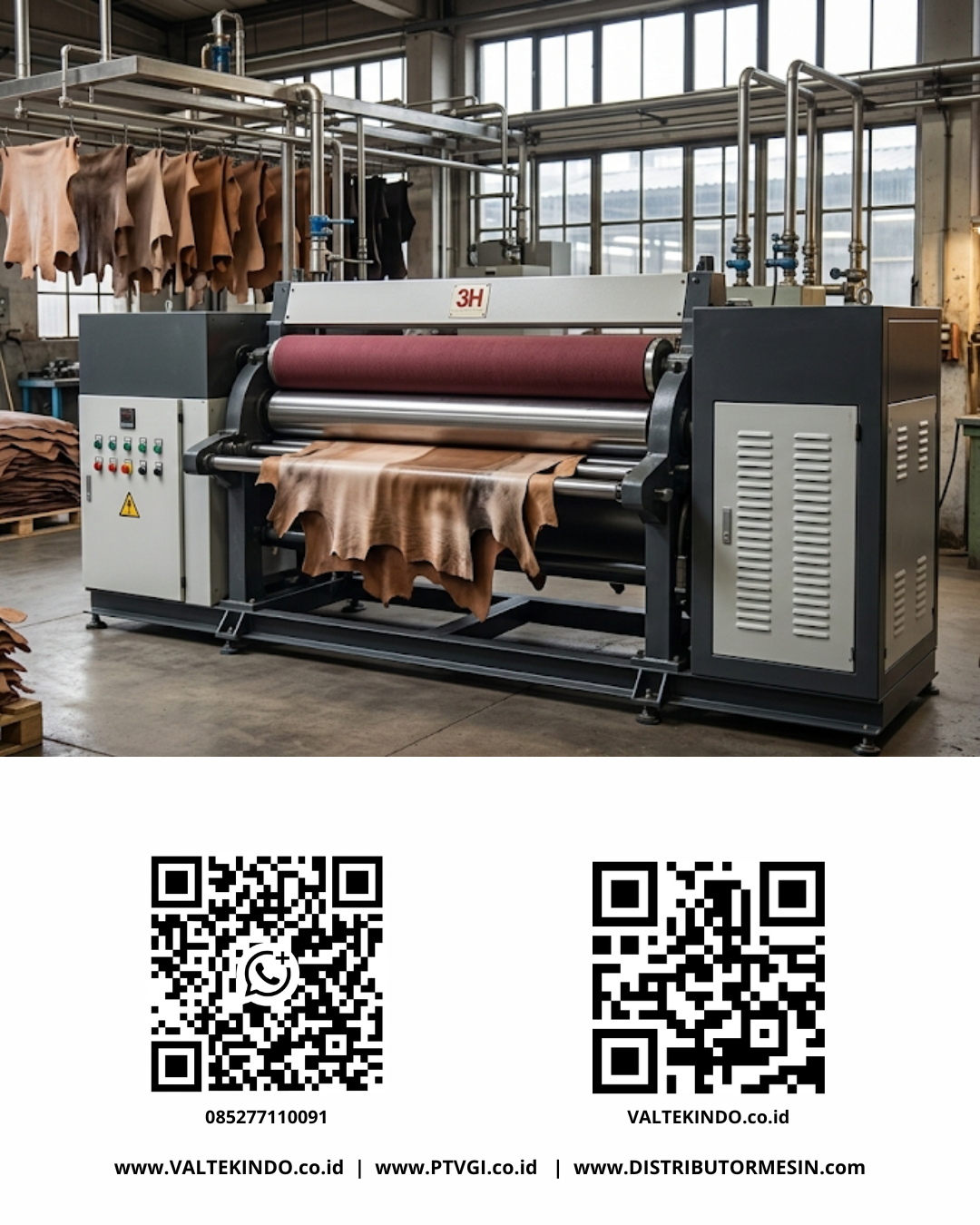
The leather tanning industry is a complex sequence of processes that transforms raw hides and skins—which are naturally biodegradable and prone to decay—into durable, flexible, and aesthetically valuable leather materials. Within this long production flow, there is a crucial mechanical stage that is often overlooked in general discussions but remains vital for the final quality of the product: the Sammying stage. This process plays a definitive role in determining the efficiency of subsequent steps and the overall character of the finished leather.
What is the Sammying Process?
Technically, sammying is the mechanical reduction of water content in hides that are still wet following the tanning or fatliquoring processes. At this point, the hides are typically saturated with water. If the leather were to be dried naturally or moved directly to finishing stages while too wet, the results would be inconsistent and poor in quality.
The sammying process works by passing the wet hide between two large rollers, which are usually covered with absorbent materials such as felt or specialized rubber. The pressure exerted by these rollers squeezes the excess water out of the leather’s fibrous structure. The result is not a bone-dry hide, but rather one that is in a consistent, damp state—often referred to in the industry as being in a "sammied condition."
Core Functions of Sammying in Production
The primary objective of this stage is not merely to remove water, but to physically prepare the leather's structure. Here are several of its key functions:
- Precision Moisture Control: Different types of leather require specific moisture levels before undergoing the splitting or shaving stages. Sammying allows tanners to reach the exact dampness required so that machine blades can operate with high accuracy and minimal resistance.
- Fiber Stretching and Flattening: As the rollers apply pressure, the leather fibers tend to flatten and spread. This helps increase the total surface area (yield) of the hide and ensures a smoother, more uniform surface.
- Energy and Time Efficiency: By removing the bulk of the water mechanically, the workload on thermal drying machines is significantly reduced. This drastically speeds up the entire production cycle and lowers operational costs.
The Importance of Sammying in Modern Leather Quality
In a modern industrial landscape that demands high standardization, the use of mechanical precision is a necessity. Inconsistencies during the water reduction stage can lead to various defects, such as mold growth, unwanted wrinkling, or significant variations in thickness. Therefore, utilizing equipment that provides stable and adjustable pressure is highly recommended to maintain the integrity of the fibers.
The implementation of advanced machinery, such as a hydraulic setting out and sammying machine, allows operators to calibrate hydraulic pressure precisely according to the type of skin being processed—whether it is thick cowhide or delicate sheepskin. This precision ensures that the setting out (leveling) and sammying processes work in harmony to produce a product that is competitive in the international market.
Sammying and Industrial Sustainability
Beyond quality aspects, this stage is closely linked to waste management and resource efficiency. The water squeezed out during the process can be collected and potentially recycled within the tanning circulation system, reducing excess wastewater discharge. Integrating efficient mechanization with a deep understanding of leather structure is the primary key to successful tanning operations in the Industry 4.0 era.
Businesses that overlook the technical details of this stage often face obstacles in the final finishing phase, such as leather that feels too stiff or uneven dye absorption. Consequently, investing in technical knowledge and updating production support tools is a strategic move for any stakeholder in this sector. More information regarding various mechanical solutions for the manufacturing and material processing industries can be found through this trusted industrial machinery provider platform, which offers comprehensive technical specifications for large-scale needs.
Conclusion
The sammying stage serves as the bridge between the chemical processes of tanning and the mechanical processes of finishing. Without it, leather would lack the flexibility and surface uniformity required by the fashion, automotive, and furniture industries. Understanding its function and role is the first step in appreciating the high quality of the leather products we use every day.
Optimize Your Industry Today!
Achieve production efficiency and the highest quality standards with a trusted industrial machinery provider. Explore our wide selection of premium processing and testing equipment at:
Website : valtekindo.co.id
Website : distributormesin.com
Consult your technical needs with our expert sales team:
WhatsApp 1: +62 852-2211-0091
WhatsApp 2: +62 852-7711-0091

Admin
AuthorAdmin is a writer on the Valtekindo website, providing informative content about High Quality Industrial Machinery and Testing Machines.
Related post:
- Pharmaceutical Factory Production Escalation Strategy: Why Investing in an Automatic Capsule Filling Machine is the Most Crucial Business Decision
- High-Precision Wire Cut EDM Technology in 2026: The Ultimate Solution for Mold Making, Stamping Dies, and Automotive Component Fabrication Without Thermal Distortion
- 2026 Automated Carton Sealer & Erector Investment Guide: End-of-Line Automation Strategies for Industrial Plant Efficiency