The Suitability of Conical Double Screw Extruder Design for Heat-Sensitive PVC Materials
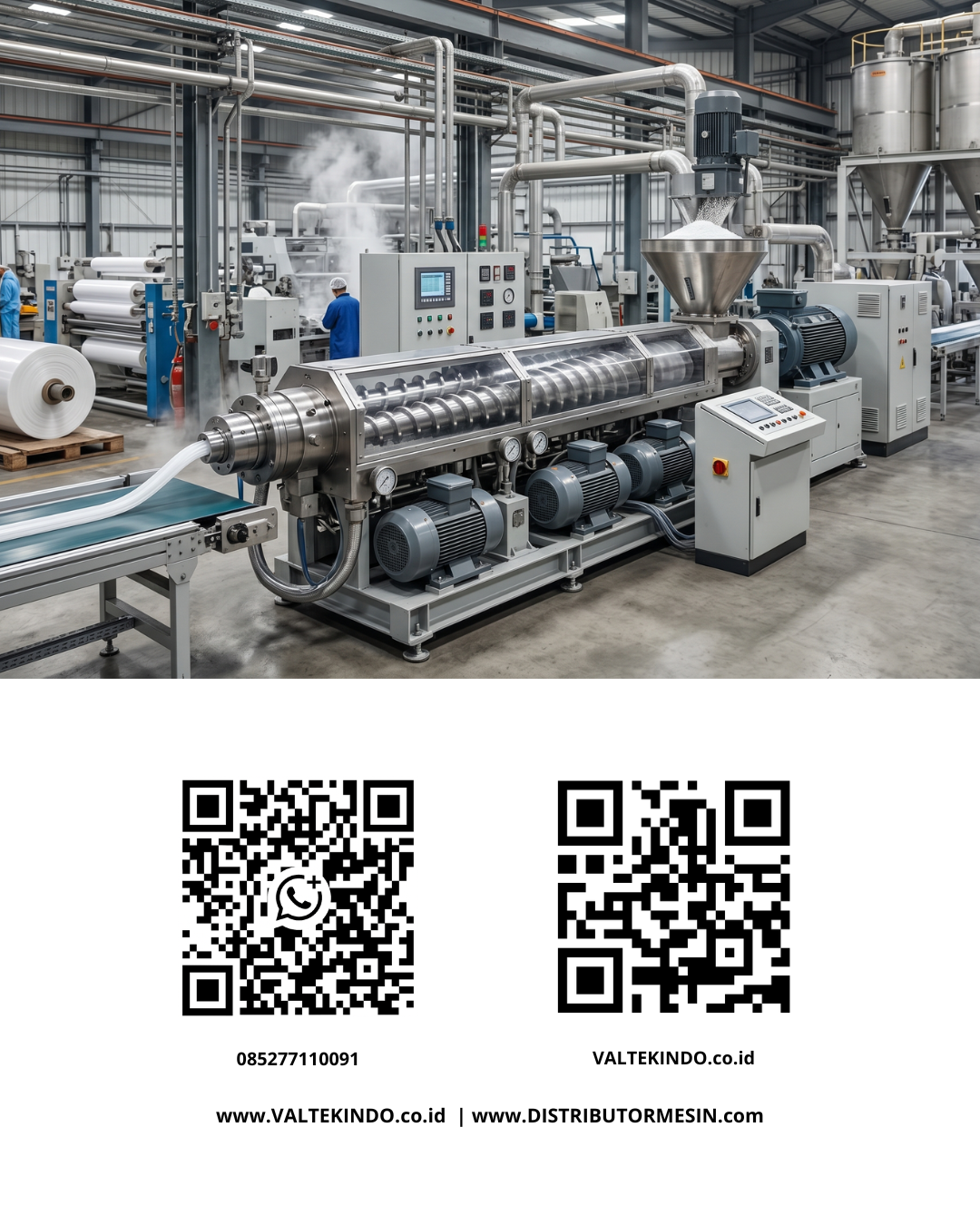
Polyvinyl Chloride (PVC) is one of the most versatile polymers used in modern industry, ranging from piping and window profiles to specialized plastic sheets. However, despite its widespread utility, PVC possesses a unique challenge: low thermal stability. This material is highly sensitive to excessive heat, which can lead to molecular degradation. Consequently, selecting the right extrusion machinery is the most critical factor in maintaining the quality of the final product. One technology widely recognized as the gold standard for this challenge is the Conical Double Screw Extruder.
Anatomy and Mechanics of Conical Screw Design
Unlike parallel screw systems, the conical (tapered) design features a screw diameter that decreases from the feeding zone to the discharge zone. This geometric difference provides significant mechanical advantages. At the wide base (the intake), a larger volume of material can be fed into the system, allowing for a more homogenous blending of chemical additives such as stabilizers and lubricants.
As the material moves toward the smaller end of the screws, the internal surface area allows for highly precise temperature control. This is crucial for preventing localized overheating, which often compromises the chemical structure of PVC. This design ensures that the mechanical energy converted into heat remains below the material's degradation threshold.
Why PVC Requires Specialized Handling
Sensitive PVC compounds require uniform heat distribution and strictly controlled residence time. If the material is exposed to high temperatures for too long inside the barrel, it releases corrosive chloride gas, causing physical defects or "burning" the product.
The advantage of a precision solution for industrial plastic production through a conical double screw system lies in its ability to generate stable shear forces. By maintaining low yet effective shear, this machine melts the PVC gradually without triggering drastic temperature spikes.
Energy Efficiency and Output Quality
Beyond technical material handling, the conical design offers superior energy efficiency compared to older models. The internal pressure generated is more stable, resulting in an extremely consistent melt flow as it exits toward the die. This reduces the risk of product defects such as air bubbles or uneven wall thickness in extruded pipes.
In high-output industrial environments, the right extrusion technology directly dictates profit margins. By minimizing "reject" products caused by thermal degradation, manufacturers can optimize raw material usage more effectively. Deep technical insights into these mechanical systems can be found through academic literature and leading providers of industrial machinery technology.
Conclusion
A Conical Double Screw Extruder is more than just a mechanical tool; it is a technical solution for the challenges of processing heat-sensitive polymers. With its superior temperature control, homogenous mixing, and protection against molecular degradation, this machine has become the benchmark for PVC-based manufacturing. Choosing the correct machine specifications tailored to material characteristics is a strategic step toward ensuring long-term quality in your production line.
Optimize Your Industry Today!
Achieve production efficiency and the highest quality standards with a trusted industrial machinery provider. Explore our wide selection of premium processing and testing equipment at:
Website : valtekindo.co.id
Website : distributormesin.com
Consult your technical needs with our expert sales team:
WhatsApp 1: +62 852-2211-0091
WhatsApp 2: +62 852-7711-0091

Admin
AuthorAdmin is a writer on the Valtekindo website, providing informative content about High Quality Industrial Machinery and Testing Machines.
Related post:
- Pharmaceutical Factory Production Escalation Strategy: Why Investing in an Automatic Capsule Filling Machine is the Most Crucial Business Decision
- High-Precision Wire Cut EDM Technology in 2026: The Ultimate Solution for Mold Making, Stamping Dies, and Automotive Component Fabrication Without Thermal Distortion
- 2026 Automated Carton Sealer & Erector Investment Guide: End-of-Line Automation Strategies for Industrial Plant Efficiency