The Importance of Stretch Recovery Testing to Ensure Durability and Comfort in Textile Products
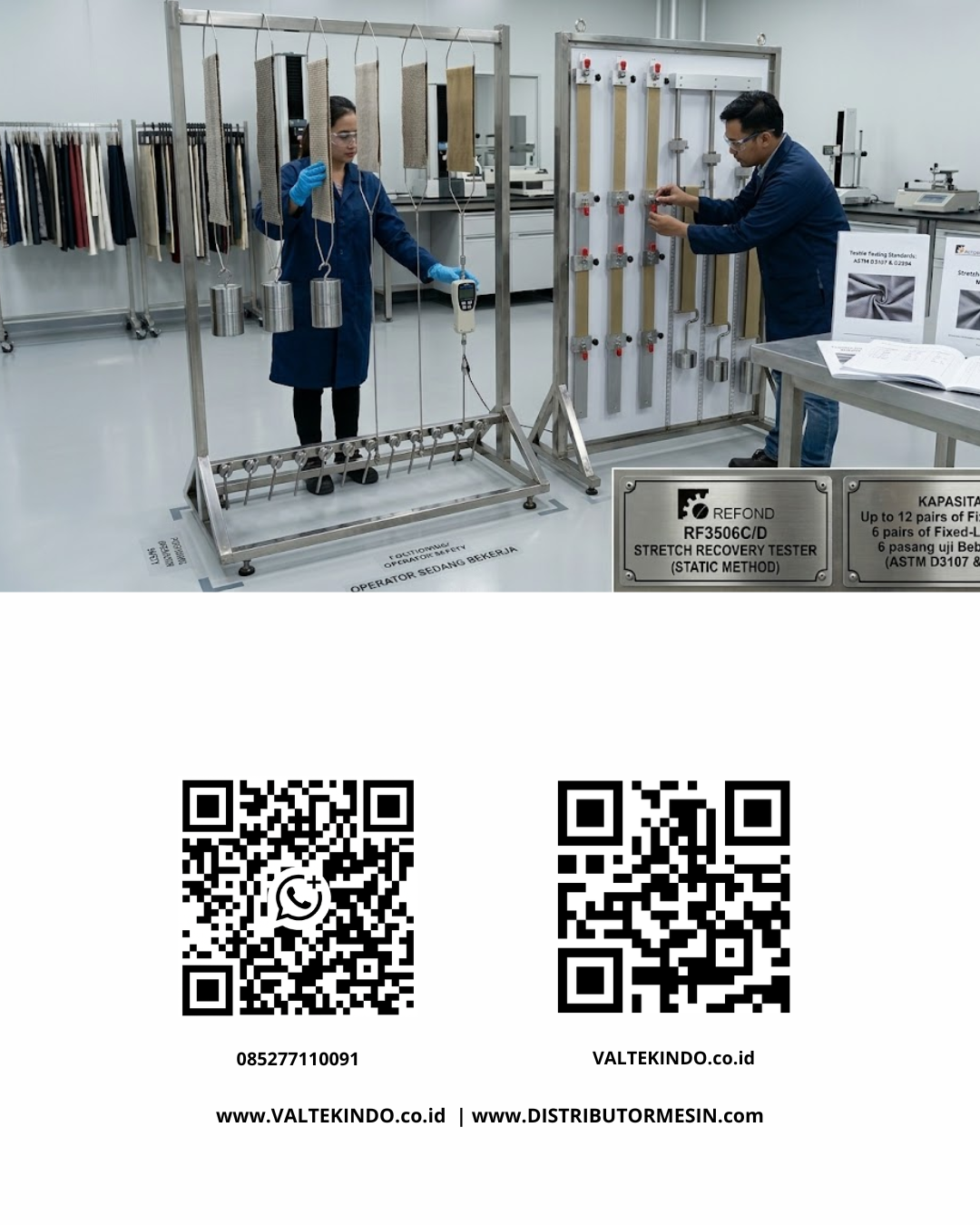
The modern textile industry is no longer solely focused on aesthetics or color patterns. As consumer awareness of quality grows, technical parameters such as elasticity and shape retention have become key indicators in determining a product's value. One of the most critical aspects of textile quality control is stretch recovery testing. This process determines the extent to which a fabric can return to its original shape after being pulled or subjected to a specific load.
Understanding the Concept of Stretch Recovery
Technically, stretch recovery is the ability of a fabric to recover from deformation after the tensile force is released. In daily life, we often encounter clothes that become baggy or "pocketed" at the knees and elbows after a few wears. This phenomenon occurs due to the low stretch recovery power of the material. Conversely, fabrics with high recovery rates will maintain their original silhouette, providing a neat and durable appearance even after intense washing and wearing cycles.
This testing is vital for the sportswear (activewear), underwear, and medical garment segments, such as elastic bandages. Without strict control mechanisms, manufacturers risk producing goods that deteriorate quickly, which can ultimately lower brand credibility in the eyes of consumers.
Why Durability Depends on Stretch Recovery
Durability is not just about a fabric not tearing easily; it is about how the fabric maintains its structural integrity. When a fiber is stretched beyond its elastic limit without good recovery ability, the internal molecular structure undergoes a permanent shift. This causes the fabric to thin and lose its weave density.
Through accurate laboratory testing using specialized instruments, manufacturers can determine the optimal recovery percentage. By referring to international standards, the industry can ensure that the raw materials used meet long-term durability criteria. The reliability of these test results depends heavily on the use of precision devices, such as those found through professional textile testing tool providers designed specifically for industrial research and development needs.
Ensuring User Comfort
Comfort in textiles is subjective but can be measured objectively through fabric mechanics. Clothes that have high flexibility but fail to return to their original shape will feel uncomfortable because they no longer fit the body's contours properly. In the context of sportswear, a failure in stretch recovery can hinder athlete mobility because stretched-out fabric tends to create extra friction against the skin.
Furthermore, in the medical garment industry, the ability to recover from stretching determines the effectiveness of the pressure provided by compression garments. If the recovery power decreases, the therapeutic function of the garment is lost. That is why having access to technical information and tool specifications through a testing equipment brochure is a strategic step for textile laboratories to maintain their product quality standards.
Testing Standards and Methodology
In the laboratory, this test usually involves applying a constant load to a fabric sample for a specific period, followed by a relaxation period. Measured parameters include total stretch, residual stretch (set), and recovery percentage. Standards such as ASTM or ISO are frequently used as references to ensure that test results are globally acceptable.
The use of automated testing machines is now preferred as they minimize human error. The resulting data is more consistent, allowing Quality Control teams to make precise decisions regarding material formulations or weaving techniques. Investing in capable testing equipment is not just an expense; it is a preventive step to avoid losses due to product returns or customer complaints.
Conclusion
Stretch recovery testing is the foundation for creating high-quality, durable, and comfortable textile products. By understanding the elasticity characteristics of fabrics, manufacturers can innovate to create materials that are more resilient to the challenges of modern use. Strict quality oversight, supported by the right laboratory instruments, will ensure that every piece of fabric produced not only looks good when new but remains perfect even after repeated use.
Optimize Your Industry Today!
Achieve production efficiency and the highest quality standards with a trusted industrial machinery provider. Explore our wide selection of premium processing and testing equipment at:
Website : valtekindo.co.id
Website : distributormesin.com
Consult your technical needs with our expert sales team:
WhatsApp 1: +62 852-2211-0091
WhatsApp 2: +62 852-7711-0091

Admin
AuthorAdmin is a writer on the Valtekindo website, providing informative content about High Quality Industrial Machinery and Testing Machines.
Related post:
- Pharmaceutical Factory Production Escalation Strategy: Why Investing in an Automatic Capsule Filling Machine is the Most Crucial Business Decision
- High-Precision Wire Cut EDM Technology in 2026: The Ultimate Solution for Mold Making, Stamping Dies, and Automotive Component Fabrication Without Thermal Distortion
- 2026 Automated Carton Sealer & Erector Investment Guide: End-of-Line Automation Strategies for Industrial Plant Efficiency