The Future of the Textile Sector: Manufacturing Challenges and Domestic Market Protection Strategies
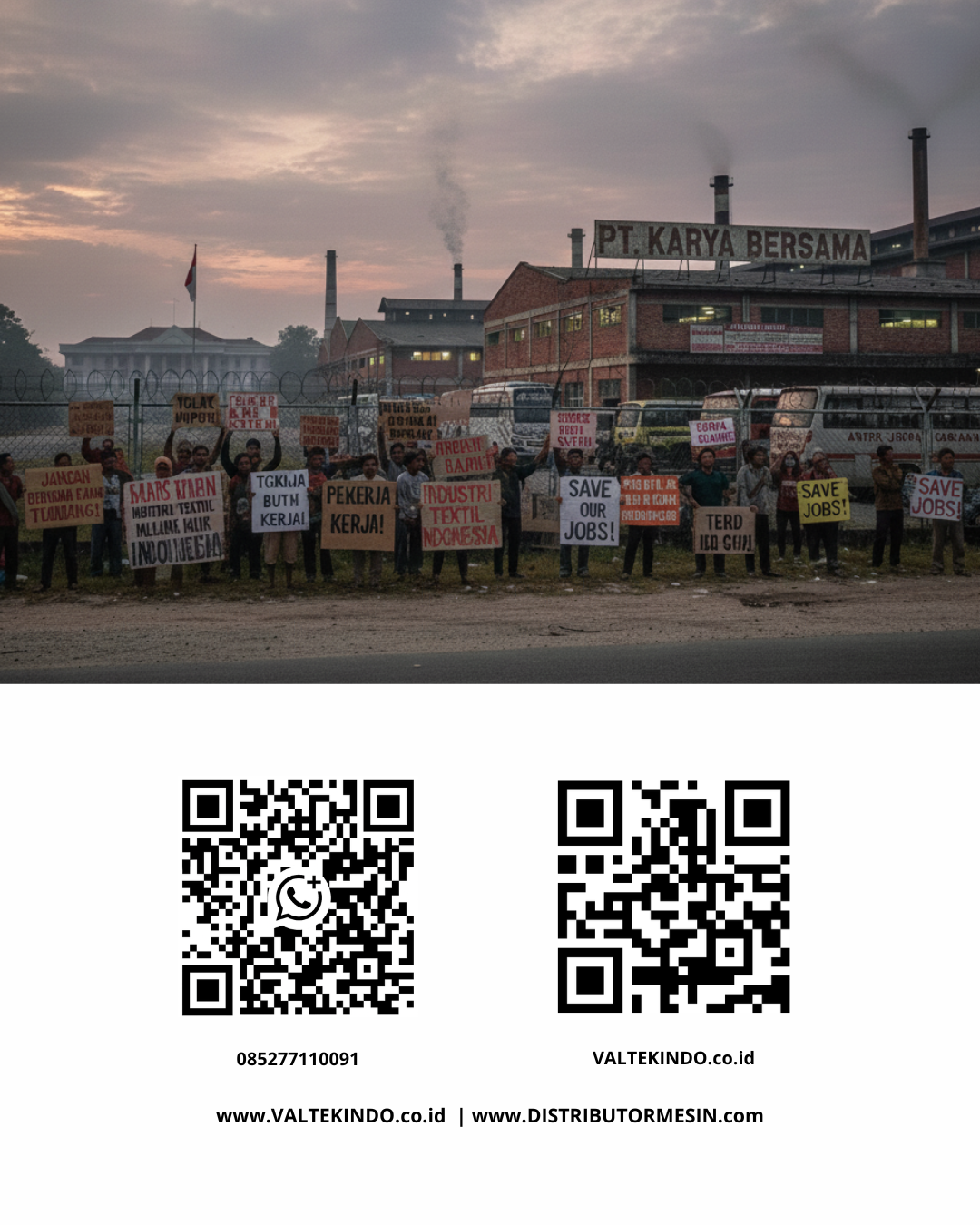
The Textile and Textile Products (TPT) sector has long served as the backbone of the manufacturing industry in many developing nations, including Indonesia. As a labor-intensive industry, this sector plays a crucial role in absorbing the workforce and contributing significantly to national foreign exchange. However, as we navigate the era of the digital economy and global market openness, the textile industry is facing a complex storm of challenges, ranging from soaring operational costs to an onslaught of imported goods.
The Dynamics of Manufacturing Challenges in the Modern Era
The primary challenge facing textile manufacturing today is production efficiency. Amidst fluctuating energy and raw material prices, many factories still rely on legacy machinery characterized by high power consumption and limited output. This technological lag results in higher production costs per unit compared to products from competing countries that have already adopted full automation.
Beyond internal issues, shifts in consumer behavior also demand high flexibility. The "fast fashion" trend requires manufacturers to produce various designs in small quantities with very short turnaround times. Without updates to production management systems and technology integration, local manufacturers will struggle to compete in this highly dynamic market. In the effort to enhance competitiveness, industry players should look toward integrated industrial infrastructure solutions to ensure their operations remain relevant to global standards.
The Urgency of Domestic Market Protection
The surge of imported textile products at extremely low prices—often referred to as predatory pricing—has eroded the market share of local producers. To maintain the sustainability of the national industry, protection measures through regulation are a necessity. Governments must tighten supervision at entry points for imported goods and implement anti-subsidy duties as well as trade safeguards.
Protection is not merely about limiting foreign goods; it is about strengthening the ecosystem from upstream to downstream. The use of local raw materials and the improvement of domestic product quality standards must be encouraged so that consumers have high confidence in homegrown products. Campaigns to support local products need to be accompanied by the availability of high-quality goods at competitive prices.
Machinery Modernization as a Key to Sustainability
The only way to escape the pressure of high production costs is through the modernization of production tools. This step is not just about replacing old machines but choosing technologies capable of increasing the added value of the fabric. For instance, in the finishing stage, the quality of the fabric surface determines whether a product is fit for the premium market segment or not.
The application of advanced textile calendering devices can provide the desired luster, density, and texture required by the modern market without wasting excessive energy. Through precise finishing processes, manufacturers can produce fabrics with competitive export standards while minimizing production waste—a common hurdle for traditional textile industries.
Adaptation and Innovation Strategies
Looking ahead, the future of the textile sector will heavily depend on manufacturing’s ability to adapt to green industry concepts. Global consumers are beginning to shift toward products processed sustainably and in an environmentally friendly manner. Therefore, innovation in waste management and the use of safer chemicals has become an integral part of long-term business strategy.
Furthermore, collaboration between the government, industry associations, and technology providers is vital to creating a healthy investment climate. Support in the form of tax incentives for companies performing machine rejuvenation or specialized workforce training will accelerate the transformation of the TPT industry into a more resilient and independent sector.
Conclusion
Facing an uncertain future, the textile sector must improve across all fronts. Manufacturing challenges such as efficiency and global competition can only be overcome through a combination of firm protectionist policies and the willingness of industry players to invest in modern technology. With the right steps, the domestic textile industry will not only survive but also regain its position as a leader in the domestic market and a key player on the international stage.
Optimize Your Industry Today!
Achieve production efficiency and the highest quality standards with a trusted industrial machinery provider. Explore our wide selection of premium processing and testing equipment at:
Website : valtekindo.co.id
Website : distributormesin.com
Consult your technical needs with our expert sales team:
WhatsApp 1: +62 852-2211-0091
WhatsApp 2: +62 852-7711-0091

Admin
AuthorAdmin is a writer on the Valtekindo website, providing informative content about High Quality Industrial Machinery and Testing Machines.
Related post:
- Pharmaceutical Factory Production Escalation Strategy: Why Investing in an Automatic Capsule Filling Machine is the Most Crucial Business Decision
- High-Precision Wire Cut EDM Technology in 2026: The Ultimate Solution for Mold Making, Stamping Dies, and Automotive Component Fabrication Without Thermal Distortion
- 2026 Automated Carton Sealer & Erector Investment Guide: End-of-Line Automation Strategies for Industrial Plant Efficiency