The Evolution of Finishing in the Industry 4.0 Era
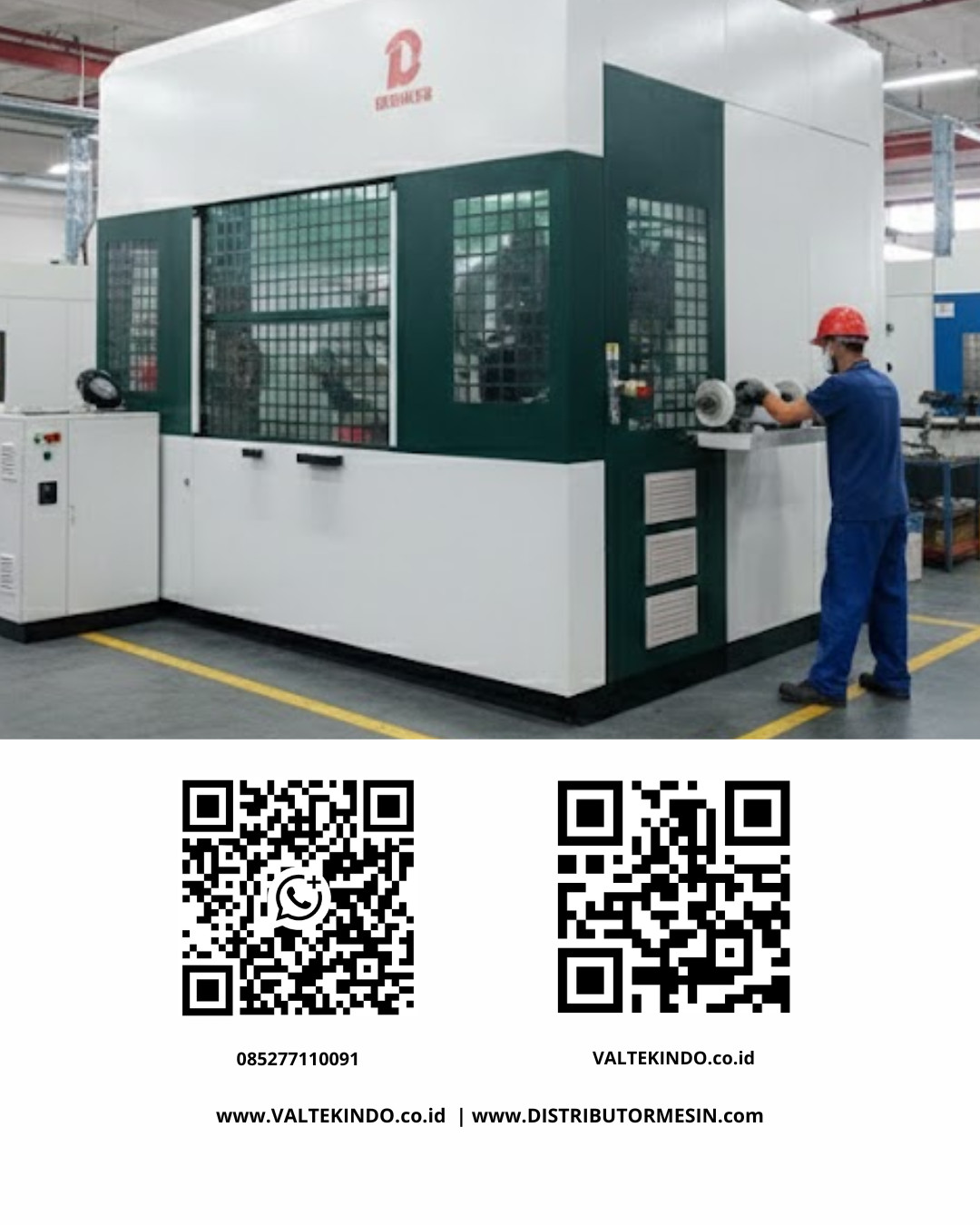
For decades, the metal and manufacturing industries relied heavily on manual labor for sanding and polishing. However, this method has clear limitations, particularly regarding consistency and production speed. As technology has advanced, finishing automation has emerged as a solution, offering precision standards that far exceed human capabilities.
Automation does not mean completely eliminating human roles; rather, it shifts labor toward more strategic tasks while machines handle repetitive, high-risk, and micro-precision work.
Primary Reasons Your Business Needs Industrial Polishing
1. Flawless Quality Consistency
In manual polishing, the pressure and angles applied by an operator can vary due to fatigue or differences in skill levels. Consequently, the surface quality between product units is often inconsistent. Utilizing automatic metal sanding and polishing ensures that every inch of the material surface is processed with identical parameters, resulting in a smooth finish free from human error.
2. Enhanced Production Scalability
Time is the most valuable commodity in business. Industrial polishing machines are designed to operate continuously for much shorter durations than traditional methods. By accelerating the finishing cycle, companies can increase daily output significantly without having to drastically increase work shifts.
3. Occupational Health and Safety (OHS)
The metal sanding process produces fine dust and particles that are harmful if inhaled by workers over long periods. Additionally, constant hand vibrations can cause nerve injuries. Automated systems minimize direct worker interaction with the processing area, creating a healthier and safer environment in accordance with international industrial regulations.
Reducing Long-Term Operational Costs
Many business owners hesitate to switch to automation due to the perceived high initial investment. However, from an operational perspective, industrial machinery is actually a cost-saving strategy.
- Minimized Reject Rates: High precision levels reduce the number of products that must be scrapped or reworked.
- Consumable Efficiency: Automated systems optimize the use of polishing media and sandpaper, keeping material waste to a minimum.
- Labor Optimization: Companies no longer need to struggle with finding highly specialized polishing experts, who are becoming increasingly scarce and command high wages
Choosing the Right Technology for Your Materials
Every material—ranging from stainless steel and aluminum to brass—requires a different polishing approach. Modern machines are now equipped with variable settings that allow operators to adjust the grit of the sandpaper and the rotation speed according to specific product requirements.
Understanding technical specifications is vital before deciding to upgrade your production line. Through a trusted industrial machinery provider, you can explore various technological variants to ensure your investment is targeted and capable of meeting future market challenges.
Conclusion
Automation at the finishing stage is the key to achieving maximum efficiency in modern manufacturing. By adopting industrial polishing machines now, your business not only improves product quality but also strengthens operational fundamentals in the face of global competition. This transformation will provide healthier profit margins through time, labor, and material efficiency.
Optimize Your Industry Today!
Achieve production efficiency and the highest quality standards with a trusted industrial machinery provider. Explore our wide selection of premium processing and testing equipment at:
Website : valtekindo.co.id
Website : distributormesin.com
Consult your technical needs with our expert sales team:
WhatsApp 1: +62 852-2211-0091
WhatsApp 2: +62 852-7711-0091

Admin
AuthorAdmin is a writer on the Valtekindo website, providing informative content about High Quality Industrial Machinery and Testing Machines.
Related post:
- Pharmaceutical Factory Production Escalation Strategy: Why Investing in an Automatic Capsule Filling Machine is the Most Crucial Business Decision
- High-Precision Wire Cut EDM Technology in 2026: The Ultimate Solution for Mold Making, Stamping Dies, and Automotive Component Fabrication Without Thermal Distortion
- 2026 Automated Carton Sealer & Erector Investment Guide: End-of-Line Automation Strategies for Industrial Plant Efficiency