The Evolution of Calorimeter Technology: From Manual Measurement to High-Precision Digital Systems
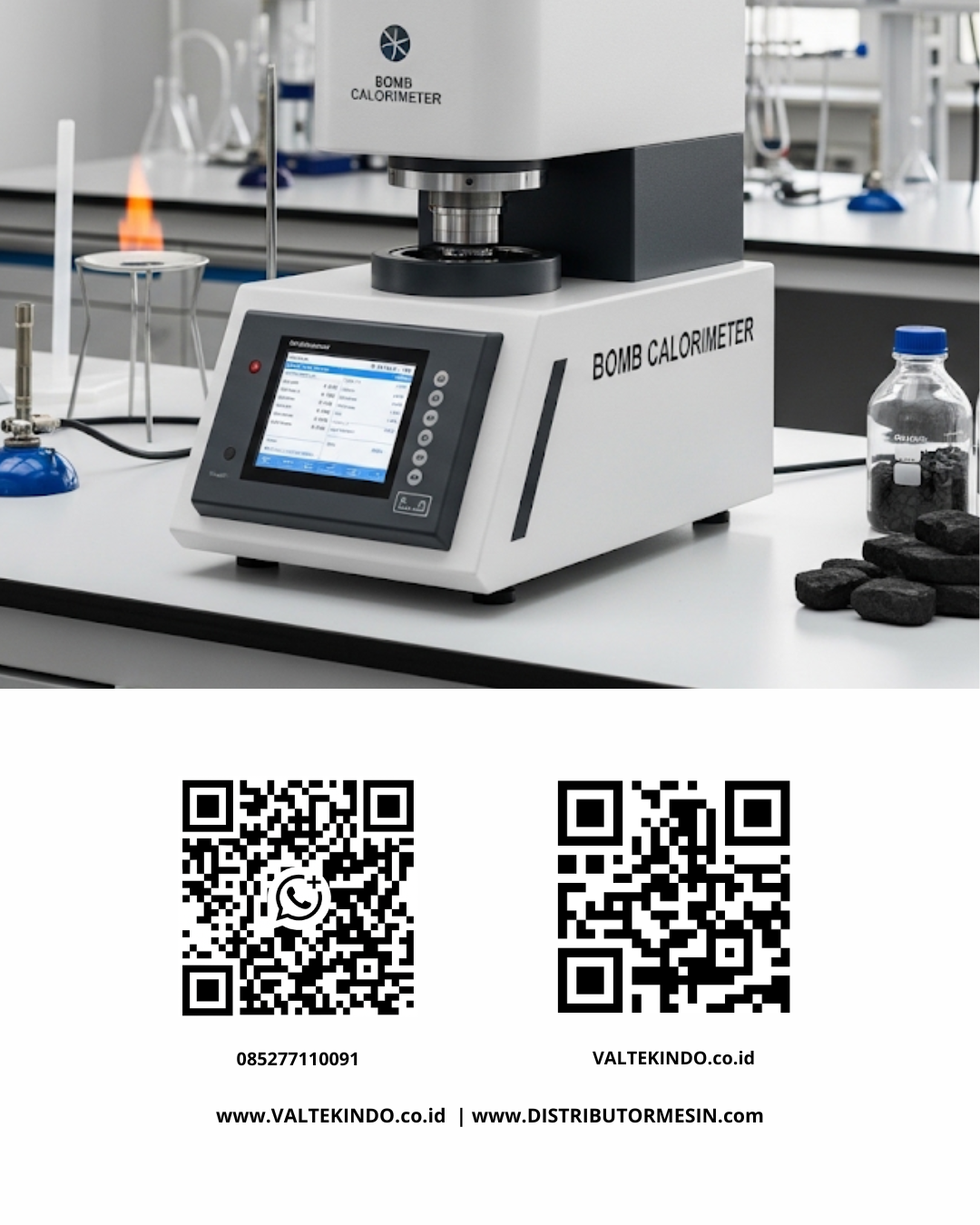
The world of science and industrial energy relies heavily on our understanding of heat. Calorimetry, the field of science dedicated to measuring changes in heat, has become the backbone for determining fuel efficiency, the nutritional value of food, and the stability of chemical reactions. Over time, calorimeter technology has undergone an extraordinary transformation, evolving from simple manual devices into high-precision digital systems.
Traditional Roots: Manual Calorimetry
In the beginning, measuring thermal energy was done using very basic methods. The core principle was the law of conservation of energy, where the heat released by a sample is absorbed by a medium (usually water) inside an insulated container. Early calorimeters, such as the ice calorimeter model developed by Antoine Lavoisier, relied on visual observations of phase changes or manual readings of mercury thermometers.
This process faced significant challenges. Human error was a primary risk factor, ranging from inaccuracies in reading thermometer scales to delays in recording temperature changes at critical moments. Furthermore, the thermal insulation in older devices was often imperfect, leading to heat leakage into the environment that distorted the final measurement results.
The Transition Era to Automation
As we entered the 20th century, the need for standardization in the industrial sector began to drive innovation. The use of electricity allowed for the development of more controlled heating elements and mechanical stirrers that ensured an even temperature distribution within the vessel. This is where the role of a high accuracy bomb calorimeter began to stand out, particularly in testing the calorific value of coal and other fossil fuels.
Unlike open calorimeters, the "bomb" system uses a closed vessel capable of withstanding high pressure. This allows for the complete combustion of a sample in a pure oxygen atmosphere. While this method was far more accurate than simple calorimetry, in its early stages, operators still had to manually calculate temperature rises using complex thermodynamic formulas to obtain the net calorific value.
The Digital Revolution and High Precision
Today, we are in the era of digital calorimetry. Modern devices are now fully integrated with microprocessors and advanced software. Temperature sensor technology has evolved from glass thermometers to electronic sensors such as Resistance Temperature Detectors (RTD) or thermistors capable of detecting temperature changes down to a thousandth of a degree.
Here are some of the key advantages of digital evolution in calorimetry:
- Full Automation: Modern devices can automatically control oxygen filling, ignition, and even vessel washing, minimizing human intervention.
- Real-Time Data Correction: Computer algorithms automatically calculate corrections for the fuse wire, acid formation, and minor heat loss to the surroundings, ensuring highly objective results.
- Connectivity and Data Logging: Test results can be directly stored in a database or sent to a Laboratory Information Management System (LIMS), facilitating long-term tracking of fuel quality.
The Importance of Accuracy in Industrial Standards
In a global context, accuracy is more than just a number on paper. The energy and manufacturing industries must comply with international standards such as ASTM and ISO to ensure the safety and efficiency of their products. A small error in measuring calorific value can lead to significant financial losses for power generation companies or synthetic fuel producers.
Therefore, selecting devices that support the latest technology is crucial. Digital technology offers not only speed but also repeatability—the ability to obtain consistent results even when performed by different operators or at different times.
Conclusion
The evolution of calorimeter technology reflects humanity's journey in the pursuit of precision. From the simple vessels of 18th-century scientists to today’s automated digital systems, the goal remains the same: to understand energy precisely. For professionals in the field of laboratory and material testing, adopting the latest technology is the key to operational efficiency and compliance with strict quality standards. Deeper information regarding various laboratory testing solutions can be found by exploring the references at www.valtekindo.co.id, which presents various updates on the latest technology.
Optimize Your Industry Today!
Achieve production efficiency and the highest quality standards with a trusted industrial machinery provider. Explore our wide selection of premium processing and testing equipment at:
Website : valtekindo.co.id
Wesbite : distributormesin.com
Consult your technical needs with our expert sales team:
WhatsApp 1: +62 852-2211-0091
WhatsApp 2: +62 852-7711-0091

Admin
AuthorAdmin is a writer on the Valtekindo website, providing informative content about High Quality Industrial Machinery and Testing Machines.
Related post:
- Pharmaceutical Factory Production Escalation Strategy: Why Investing in an Automatic Capsule Filling Machine is the Most Crucial Business Decision
- High-Precision Wire Cut EDM Technology in 2026: The Ultimate Solution for Mold Making, Stamping Dies, and Automotive Component Fabrication Without Thermal Distortion
- 2026 Automated Carton Sealer & Erector Investment Guide: End-of-Line Automation Strategies for Industrial Plant Efficiency