The Crucial Role of Electronic Balances in Ensuring Quality Standards in Laboratories
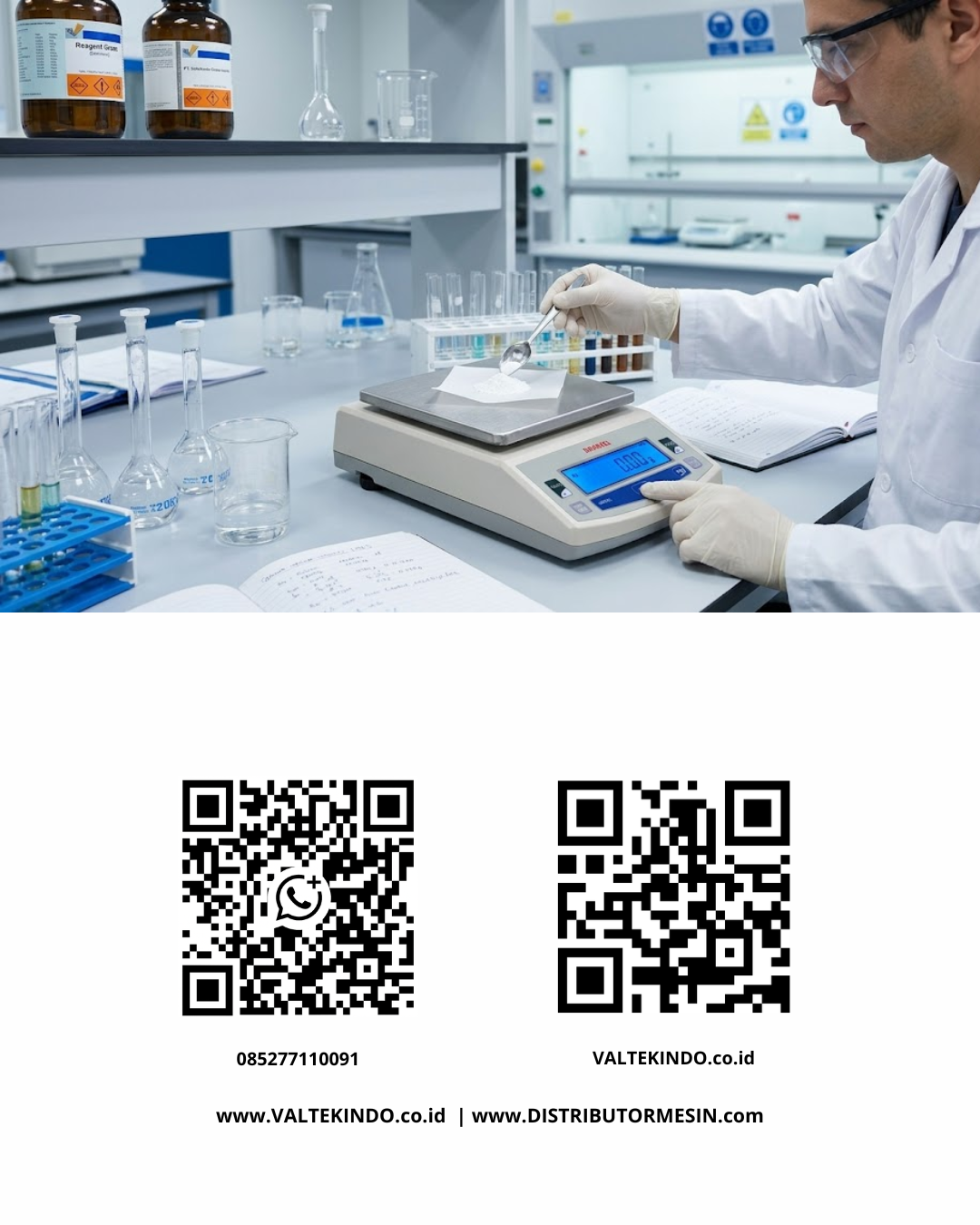
In the world of research and material testing, accuracy is not merely a goal; it is an absolute necessity. Modern laboratories today rely heavily on precision instruments to produce valid data. One of the most fundamental instruments in this environment is the electronic balance. Without precise mass measurement, an entire series of experiments or production quality control processes can suffer from systematic failure.
The Evolution of Mass Measurement in the Digital Era
The use of electronic balances has largely displaced traditional mechanical scales because they offer speed, readability, and data integration features. In a laboratory setting, electronic balances operate on the principle of electromagnetic force restoration or high-precision load cells that convert weight into electrical signals. This technology allows researchers to obtain readings up to several decimal places—a feature that is critical when handling reactive chemical or pharmaceutical samples.
Why Precision Matters
Accuracy in weighing directly impacts the stoichiometry of chemical reactions. A tiny error in milligrams can alter the concentration of a solution, ultimately ruining the results of chromatography or titration analyses. Therefore, selecting the right equipment is a long-term investment for any research institution. To support high operational demands, many professionals are turning to high-quality electronic balances specifically designed to dampen environmental disturbances such as vibrations or temperature fluctuations.
Factors Influencing Measurement Quality
Even though electronic balance technology is highly advanced, several external factors must be managed by laboratory technicians to maintain quality standards:
- Temperature and Humidity: Extreme temperature changes can cause thermal expansion in the internal components of the balance.
- Air Currents: In chemical laboratories, even the slightest breeze can disturb the stability of the digits on an analytical balance screen. The use of draft shields is highly recommended.
- Regular Calibration: Even the most sophisticated balance will experience a drift in accuracy over time. Routine calibration using standard weights is a mandatory procedure under ISO protocols.
- Surface Cleanliness: Chemical residue from previous weighing not only damages the device but also causes cross-contamination between samples.
Digitalization and Data Integrity
One of the primary advantages of modern electronic balances is their ability to connect with Laboratory Information Management Systems (LIMS). This feature minimizes human error associated with manual data entry. Every detected weight can be sent directly to a digital database, complete with a time stamp and operator ID. This strongly supports Good Laboratory Practice (GLP) principles and ensures transparent data traceability during quality audits.
In a broader industrial scale, this integration ensures that manufactured products meet strict technical specifications before reaching the market. If you are looking for reliable laboratory equipment references, you can study various measuring instrument specifications through a credible weighing solutions provider in Indonesia.
Choosing the Right Balance for Specific Needs
Not all balances are created equal. In the lab, we recognize several main types:
- Analytical Balances: Used for very small samples with readability up to 0.1 mg or higher.
- Precision Balances: Generally used for larger loads that still require high accuracy, often found in physics or material labs.
- Microbalances: Used for advanced research such as DNA testing or nanomaterials where weights are microscopic.
Understanding load capacity and readability is the first step before deciding which device will occupy your workbench.
Conclusion
The electronic balance is the heart of every quality control procedure in the laboratory. Its role goes beyond being just a measuring tool; it is a guarantor that the pharmaceuticals we consume are safe, the construction materials we use are strong, and the scientific research conducted is accountable. With proper maintenance and the selection of devices that meet international standards, laboratory work efficiency will increase significantly.
Optimize Your Industry Today!
Achieve production efficiency and the highest quality standards with a trusted industrial machinery provider. Explore our wide selection of premium processing and testing equipment at:
Website : valtekindo.co.id
Website : distributormesin.com
Consult your technical needs with our expert sales team:
WhatsApp 1: +62 852-2211-0091
WhatsApp 2: +62 852-7711-009

Admin
AuthorAdmin is a writer on the Valtekindo website, providing informative content about High Quality Industrial Machinery and Testing Machines.
Related post:
- Pharmaceutical Factory Production Escalation Strategy: Why Investing in an Automatic Capsule Filling Machine is the Most Crucial Business Decision
- High-Precision Wire Cut EDM Technology in 2026: The Ultimate Solution for Mold Making, Stamping Dies, and Automotive Component Fabrication Without Thermal Distortion
- 2026 Automated Carton Sealer & Erector Investment Guide: End-of-Line Automation Strategies for Industrial Plant Efficiency