Surefire Tips for Choosing the Right Milling Machine for Your Industry's Needs
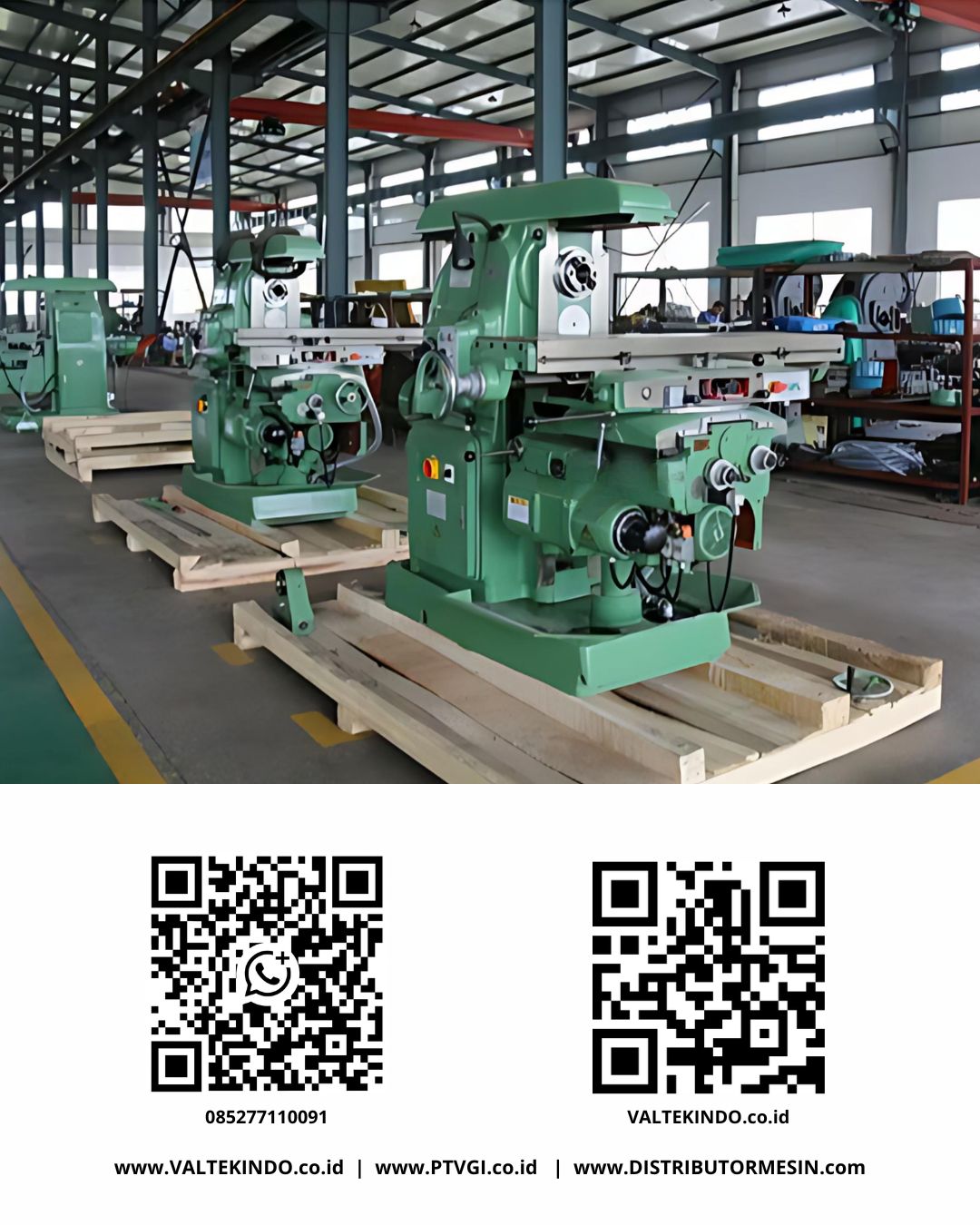
In the world of manufacturing and machining, the right equipment is the foundation of efficiency, precision, and profitability. One of the most vital workhorses on the modern production floor is the milling machine. This machine is designed to shape solid materials, typically metal, by removing material using a rotating cutter.
However, with a vast array of variants, technologies, and specifications available on the market, selecting the "right" milling machine can be a daunting task. The wrong decision doesn't just mean a wasted initial investment; it can also create production bottlenecks, decrease product quality, and increase operational costs.
Your industry—whether it's automotive, aerospace, mold-making, or general fabrication—has unique demands. A machine that is perfect for one company might be inefficient for yours.
So, how can you strategically choose a milling machine that truly aligns with your industrial requirements? This article provides a comprehensive guide to the crucial factors you must consider.
1. Understand the Basic Types: Vertical vs. Horizontal
The first step is to understand the two primary configurations of milling machines: vertical and horizontal.
- Vertical Milling Machine: On this machine, the spindle axis (which holds the cutter) is oriented vertically. These machines are very common and versatile, ideal for jobs where most machining occurs on the top surface of the workpiece, such as creating dies or molds.
- Horizontal Milling Machine: As the name suggests, the spindle axis on this machine is oriented horizontally. These machines are renowned for their robustness and power. They are perfectly suited for jobs that require heavy cuts, deep slots or grooves, and machining workpieces from multiple sides.
Industries that demand heavy machining and mass production, such as for automotive components or engine blocks, often prefer horizontal milling machines due to their superior material removal rates (MRR) and more effective chip evacuation.
2. Analyzer Your Production Needs
Before you even look at a brochure, ask yourself these critical questions:
- What Materials Will You Be Machining? Will you be working with soft aluminum, carbon steel, stainless steel, or exotic materials like titanium? The material's hardness will dictate the spindle power (HP/kW) and rigidity the machine must-have.
- What is the Size of Your Workpieces? This will determine the table size and the axis travel range (X, Y, Z travel) you need. As a rule of thumb, always opt for a machine with a travel area slightly larger than the largest component you plan to produce.
- How Complex is the Part Geometry? Are you making simple 2D components, or complex 3D parts? This will determine whether you need a conventional (manual) machine or a CNC (Computer Numerical Control) machine. For high complexity, you might require a 4-axis or even 5-axis machine.
- What is Your Production Volume? Are you a job shop that handles prototypes (low volume, high variety) or a mass-production factory (high volume, low variety)? For mass production, features like an Automatic Tool Changer (ATC) with a large capacity and an Automatic Pallet Changer (APC) become essential for minimizing downtime.
3. Pay Attention to Key Technical Specifications
Once you have a clear picture of your needs, it's time to dive into the technical specifications. This is the "heart" and "soul" of your milling machine.
- Spindle Power & Torque: Power (measured in HP or kW) determines how fast you can cut, while torque (measured in Nm) determines how "strong" the rotation is, especially at low speeds. For hard materials and heavy cutting, high torque is non-negotiable.
- Spindle Speed (RPM): Measured in revolutions per minute, this is critical. Different materials require different cutting speeds. Aluminum, for example, is best machined at high RPMs, while harder steels require lower RPMs but with significant torque.
- Spindle Taper: This is the connection interface between the spindle and the tool holder. Common types include BT40, BT50, CAT40, or HSK. A larger taper (like BT50) is generally more rigid and far better for heavy cutting, a feature often found on robust horizontal milling machines.
- Control System (CNC Controller): If you opt for a CNC machine, the controller is its "brain." Popular and reliable controllers like Fanuc, Siemens, or Mitsubishi are known for their reliability and user-friendly interfaces. Ensure your operators are familiar with, or can be trained on, the chosen system.
- Rigidity and Machine Construction: The quality of a machine is defined by its structural rigidity. Machines built on a heavy, solid cast iron frame tend to dampen vibrations much more effectively. This leads to smoother surface finishes, higher accuracy, and longer tool life. High-quality horizontal mills, for instance, are often designed with extremely rigid box-way construction to withstand the immense cutting forces of heavy-duty machining.
4. Case Study: Choosing a Machine for Heavy Fabrication
Imagine an industrial application that needs to produce gearbox housings or engine blocks in medium to high volumes. This job involves removing large amounts of cast iron or steel, requiring deep slotting and boring precise holes.
In this scenario, a Horizontal Milling Machine is the far superior choice over a vertical one. Why?
- Cutting Power: The horizontal design allows for the use of larger, more rigid cutters, enabling deeper and wider cuts in a single pass.
- Chip Evacuation: Gravity is a major advantage. Metal chips naturally fall down and away from the cutting zone, preventing chip build-up that can damage the tool or the workpiece.
- Workpiece Setup: These machines are often equipped with a rotary table (a B-axis), allowing for machining on three or even four sides of a workpiece in a single setup. This drastically improves precision and reduces overall cycle times.
5. Recommendation: Finding the Right Machine Partner
Choosing a machine isn't just about the specs on paper; it's also about the partner or supplier who provides it. A good supplier will offer comprehensive after-sales support, reliable parts availability, and expert technical service.
For industries in Indonesia seeking robust and dependable machining solutions, one product line worth considering is a high-quality horizontal milling machine. As an example, PT. Valtekindo Global Intertek offers a range of machining solutions, including their Horizontal Milling / UM Series.
Machines like this are engineered to deliver the rigidity and reliability that heavy industry demands. While detailed technical specifications (like spindle power, table size, and axis travel) will vary depending on the specific "UM Series" model you choose, a horizontal milling machine generally offers a solid foundation for high-productivity manufacturing.
Choosing the right machine is a long-term investment. It is crucial to discuss your specific application needs with an experienced supplier.
Optimize Your Industry Today!
Achieve production efficiency and the highest quality standards with a trusted industrial machinery provider. Explore our wide selection of premium processing and testing equipment at:
Website : valtekindo.co.id
Wesbite : distributormesin.com
Consult your technical needs with our expert sales team:
WhatsApp 1: +62 852-2211-0091
WhatsApp 2: +62 852-7711-0091

Admin
AuthorAdmin is a writer on the Valtekindo website, providing informative content about High Quality Industrial Machinery and Testing Machines.
Related post:
- Pharmaceutical Factory Production Escalation Strategy: Why Investing in an Automatic Capsule Filling Machine is the Most Crucial Business Decision
- High-Precision Wire Cut EDM Technology in 2026: The Ultimate Solution for Mold Making, Stamping Dies, and Automotive Component Fabrication Without Thermal Distortion
- 2026 Automated Carton Sealer & Erector Investment Guide: End-of-Line Automation Strategies for Industrial Plant Efficiency