Silicone Injection Technology: How It Works and Its Benefits in Mass Production
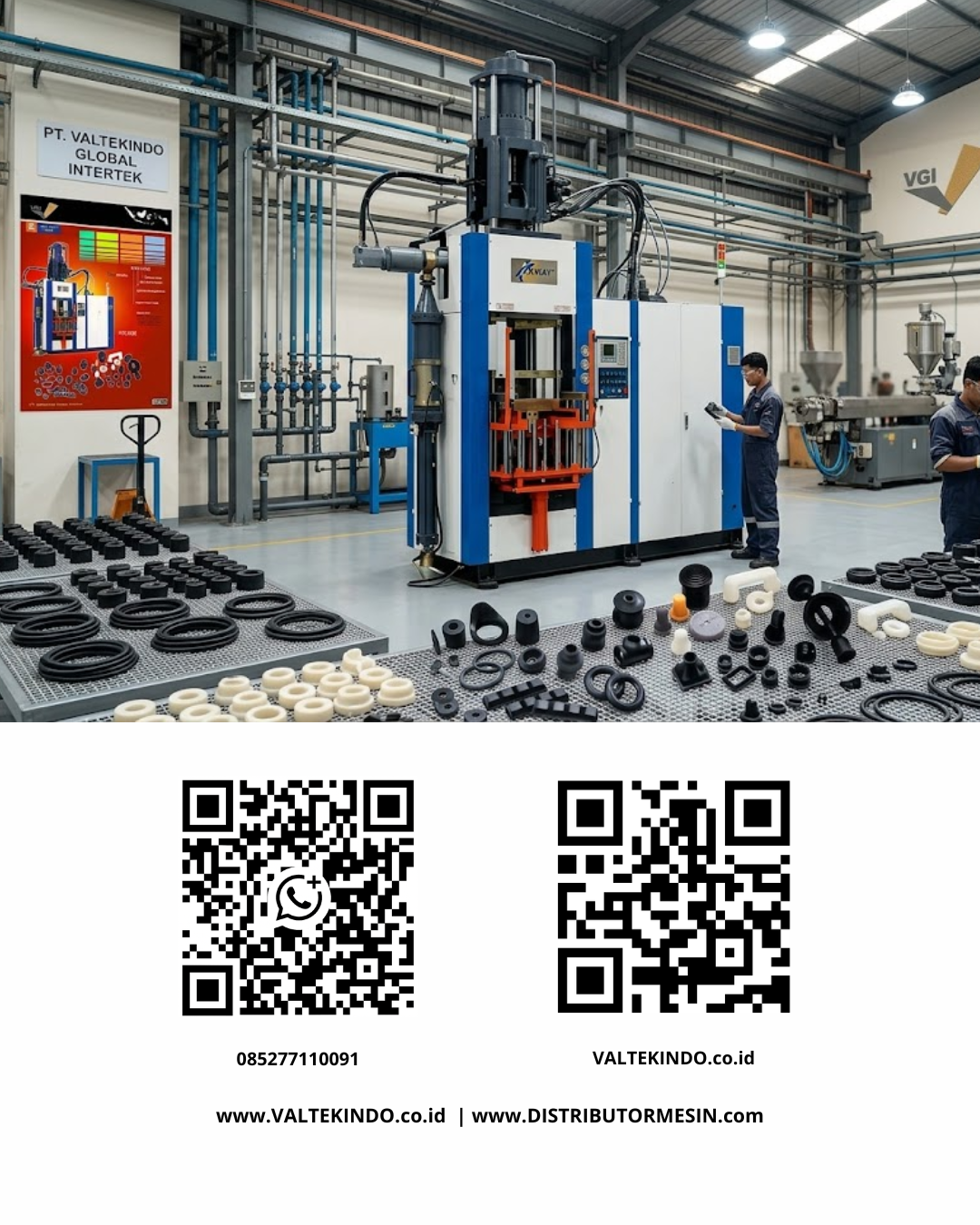
The modern manufacturing industry continuously demands high precision, time efficiency, and superior material durability. One material that has become a staple across various sectors—ranging from medical and automotive to household appliances—is silicone. To process this material on a large scale, Liquid Silicone Rubber (LSR) Injection Molding technology has become the irreplaceable gold standard.
Understanding Silicone Injection Technology
Unlike conventional compression molding, silicone injection technology involves an automated process where liquid silicone material is injected into a heated mold. This process allows for the creation of components with highly complex geometries and extremely tight tolerance levels.
Silicone is chosen for its biocompatible properties, resistance to extreme temperatures (both heat and cold), and excellent electrical insulation. In an industrial context, utilizing machinery with robust performance is the primary key to ensuring that production processes are not hindered by technical failures or product inconsistencies.
How the Silicone Injection System Works
The silicone injection process consists of several integrated technical stages:
- Material Preparation: Liquid silicone usually consists of two components (A and B) mixed at a 1:1 ratio. Color pigments are also added at this stage if required.
- Metering and Mixing System: Specialized equipment pumps both components into a static mixing unit. The consistency of the mixture is crucial to ensure the curing process occurs perfectly.
- Injection into the Mold: The mixed material is injected through a nozzle into the mold cavity, which has been preheated to a specific temperature.
- Curing Process (Vulcanization): Under high heat and pressure within the mold, the liquid silicone undergoes a chemical reaction that transforms it into a flexible, solid object.
- Product Ejection: Once the curing process is complete (usually within seconds), the mold opens, and the product is removed, either manually or automatically using robotic systems.
Benefits of Injection Technology in Mass Production
Implementing injection technology provides a significant competitive advantage for large-scale manufacturing:
- High Cycle Speed: Compared to compression molding, injection technology offers much shorter cycle times. This is vital for companies aiming for high daily output targets.
- Waste Minimization: Modern injection systems are designed to reduce material waste at the runner or flash points. Material efficiency directly impacts the reduction of operational costs.
- Precision and Consistency: Every unit produced has identical dimensions. This minimizes the risk of defective products (rejects), which is often costly in mass production.
- Full Automation: The use of advanced machinery allows for minimal human intervention, enabling stable 24-hour operations without a drop in quality.
Choosing the Right Equipment for Long-Term Investment
In building an efficient production line, selecting supporting equipment should not be done haphazardly. It requires technological solutions that are not only advanced but also backed by reliable after-sales support and readily available spare parts in the local market. For industrial players in Indonesia, gaining access to a trusted industrial machinery solution provider is a strategic step to ensure business sustainability amidst tightening global competition.
Optimize Your Industry Today!
Achieve production efficiency and the highest quality standards with a trusted industrial machinery provider. Explore our wide selection of premium processing and testing equipment at:
Website : valtekindo.co.id
Website : distributormesin.com
Consult your technical needs with our expert sales team:
WhatsApp 1: +62 852-2211-0091
WhatsApp 2: +62 852-7711-0091

Admin
AuthorAdmin is a writer on the Valtekindo website, providing informative content about High Quality Industrial Machinery and Testing Machines.
Related post:
- Pharmaceutical Factory Production Escalation Strategy: Why Investing in an Automatic Capsule Filling Machine is the Most Crucial Business Decision
- High-Precision Wire Cut EDM Technology in 2026: The Ultimate Solution for Mold Making, Stamping Dies, and Automotive Component Fabrication Without Thermal Distortion
- 2026 Automated Carton Sealer & Erector Investment Guide: End-of-Line Automation Strategies for Industrial Plant Efficiency