Rubber Press Technology: From Vacuum Hot Press to Rubber Injection Machines
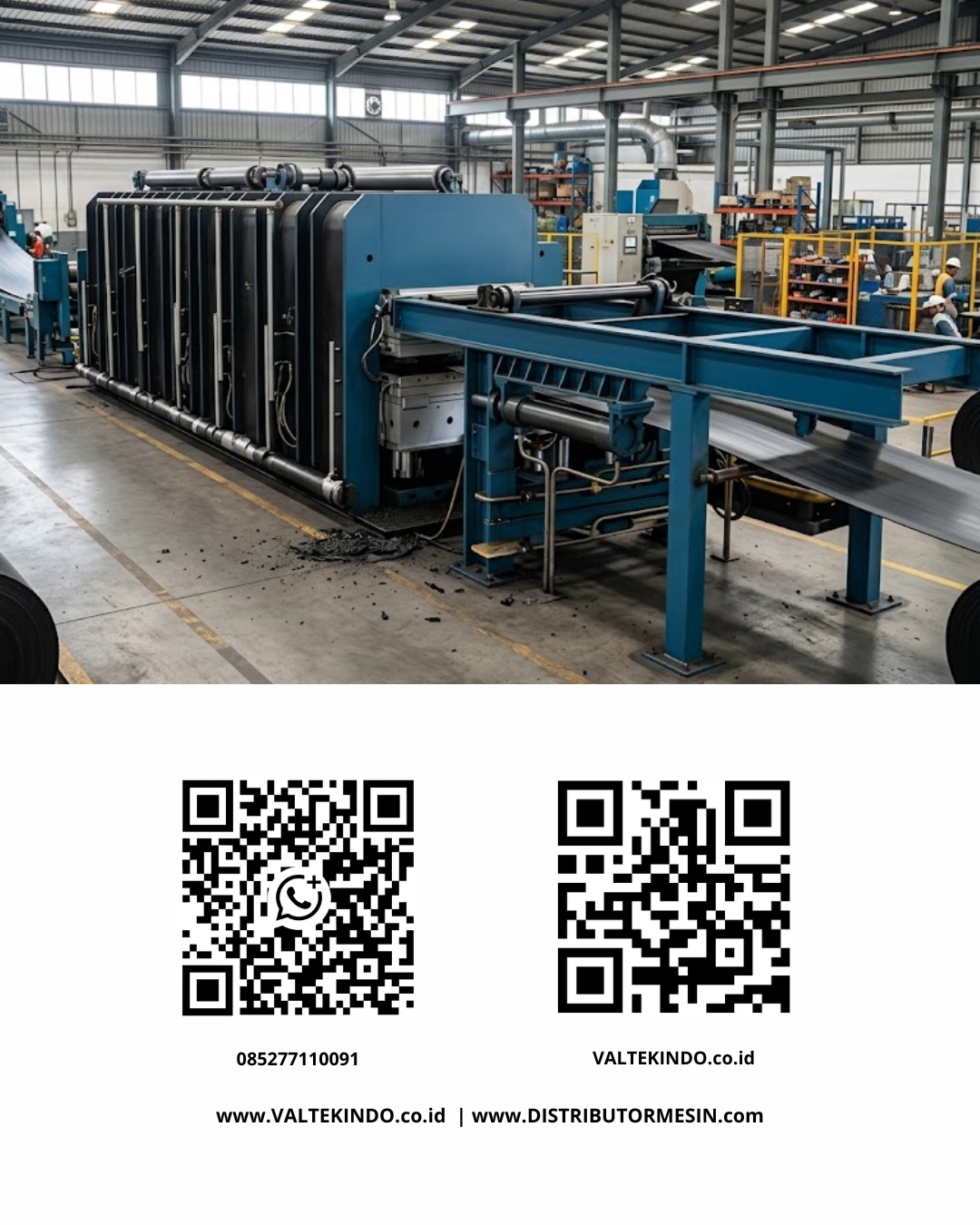
The rubber processing industry has undergone a significant transformation as the demand for precision components increases across various sectors, ranging from automotive to medical devices. At the heart of this production process lies rubber press machine technology. Understanding the differences between various types of technology—such as Vacuum Hot Press and Rubber Injection Machines—is essential for technicians and industry players to determine the most efficient method for producing high-quality products.
Understanding the Vulcanization Process in Rubber Pressing
Before diving into the types of machinery, it is important to understand that the primary function of a press machine is to facilitate the vulcanization process. Vulcanization is a chemical reaction where rubber polymers are heated with sulfur or other accelerators to form cross-links between molecular chains. The result is a material that is stronger, more elastic, and resistant to temperature changes.
1. Vacuum Hot Press: The Solution for High Precision
Vacuum Hot Press technology is designed to address one of the biggest challenges in rubber molding: trapped air within the mold cavity. Trapped air can cause product defects such as bubbles (voids) or uneven surfaces.
Mechanism and Advantages: These machines are equipped with a vacuum pump system that extracts all air from the mold area before pressure and heat are applied. In a vacuum environment, the rubber material can flow perfectly into every corner of complex molds. This technology is ideal for producing thin components or seals that require extremely tight dimensional accuracy. Utilizing advanced machinery in the production line ensures that product failure due to oxidation or air bubbles is significantly minimized.
2. Rubber Injection Machine: Speed and Automation
Unlike traditional compression molding systems, the Rubber Injection Machine works on the principle of injecting liquid rubber material into a tightly closed mold. This technology represents an evolution that brings high efficiency to large-scale production.
Operational Excellence:
- Faster Cycle Times: The rubber material is preheated in the injection unit before entering the mold, which significantly shortens the vulcanization time.
- Automation: These machines allow for almost fully automated operation, reducing dependence on manual labor.
- Minimal Material Waste: The precision injection system reduces "flash" (excess rubber), making it more cost-effective regarding raw materials.
The sophisticated heat distribution and screw-driven material movement in these systems allow for a level of consistency that is difficult to achieve with manual methods.
3. Press Machines for Large Industrial Components
Beyond the two technologies mentioned above, there are specialized machines for products with large dimensions, such as conveyor belts. For these needs, massive pressure and even heat distribution across the entire plate surface are required. Implementing a high-precision vulcanization machine for conveyor belts applies advanced principles to ensure the tensile strength of the belt remains optimal throughout its length. Temperature stability in these types of machines is the key to ensuring the final product does not suffer from quality degradation at the center or the edges.
Technology Comparison: Which One is Right?
Choosing between a vacuum system or an injection system depends on several key factors:
- Production Volume: For quantities in the thousands or millions, injection machines are usually superior.
- Design Complexity: Products with very intricate details are safer to process with vacuum systems to avoid air defects.
- Material Type: Certain rubber compounds have viscosities that are better suited for one specific type of machine.
Utilizing the right machinery technology not only increases productivity but also extends the life of the molds and reduces production waste. The integration of digital sensors in modern press machines now allows for real-time monitoring of temperature and pressure, ensuring every production cycle meets applicable industry standards. For further technical information regarding rubber processing equipment specifications, you can refer to the industrial tool directory at this page.
Technical Consultation Services
Choosing the right press machine specifications for your production line requires deep technical consideration to ensure your equipment investment yields maximum results. If you require further discussion regarding rubber machinery solutions, vulcanization process optimization, or procurement of high-precision production units, our team of experts is ready to provide the right guidance.
Optimize Your Industry Today!
Achieve production efficiency and the highest quality standards with a trusted industrial machinery provider. Explore our wide selection of premium processing and testing equipment at:
Website : valtekindo.co.id
Website : distributormesin.com
Consult your technical needs with our expert sales team:
WhatsApp 1: +62 852-2211-0091
WhatsApp 2: +62 852-7711-0091

Admin
AuthorAdmin is a writer on the Valtekindo website, providing informative content about High Quality Industrial Machinery and Testing Machines.
Related post:
- Pharmaceutical Factory Production Escalation Strategy: Why Investing in an Automatic Capsule Filling Machine is the Most Crucial Business Decision
- High-Precision Wire Cut EDM Technology in 2026: The Ultimate Solution for Mold Making, Stamping Dies, and Automotive Component Fabrication Without Thermal Distortion
- 2026 Automated Carton Sealer & Erector Investment Guide: End-of-Line Automation Strategies for Industrial Plant Efficiency