PET Flake Quality Standards: A Technical Guide to Selecting Industrial-Scale Plastic Bottle Crushers
The plastic recycling industry, particularly concerning Polyethylene Terephthalate (PET) materials, has fundamentally evolved from a mere local waste management initiative into a highly strategic business sector with massive economic value on a global scale. Within today's modern circular economy ecosystem, advanced processing plants, serving both domestic requirements and international export markets, demand highly strict and specific standards for raw material flakes. The flakes produced must not only be entirely clean from physical contaminants but are also required to possess precise size uniformity to ensure the seamless execution of the extrusion process in the subsequent manufacturing stages.
To achieve this persistent level of quality across high-capacity production scales, recycling facilities necessitate a mechanical infrastructure that is both reliable and technically proven. This is precisely where the fundamental role of the standard plastic bottle crusher becomes apparent. This machinery is not merely a rough cutting tool; rather, it serves as the beating heart of the initial processing stage for PET waste. Its performance will ultimately dictate the level of operational efficiency, the reduction of energy waste, and the overall profitability of the entire recycling production line within the B2B industrial landscape.
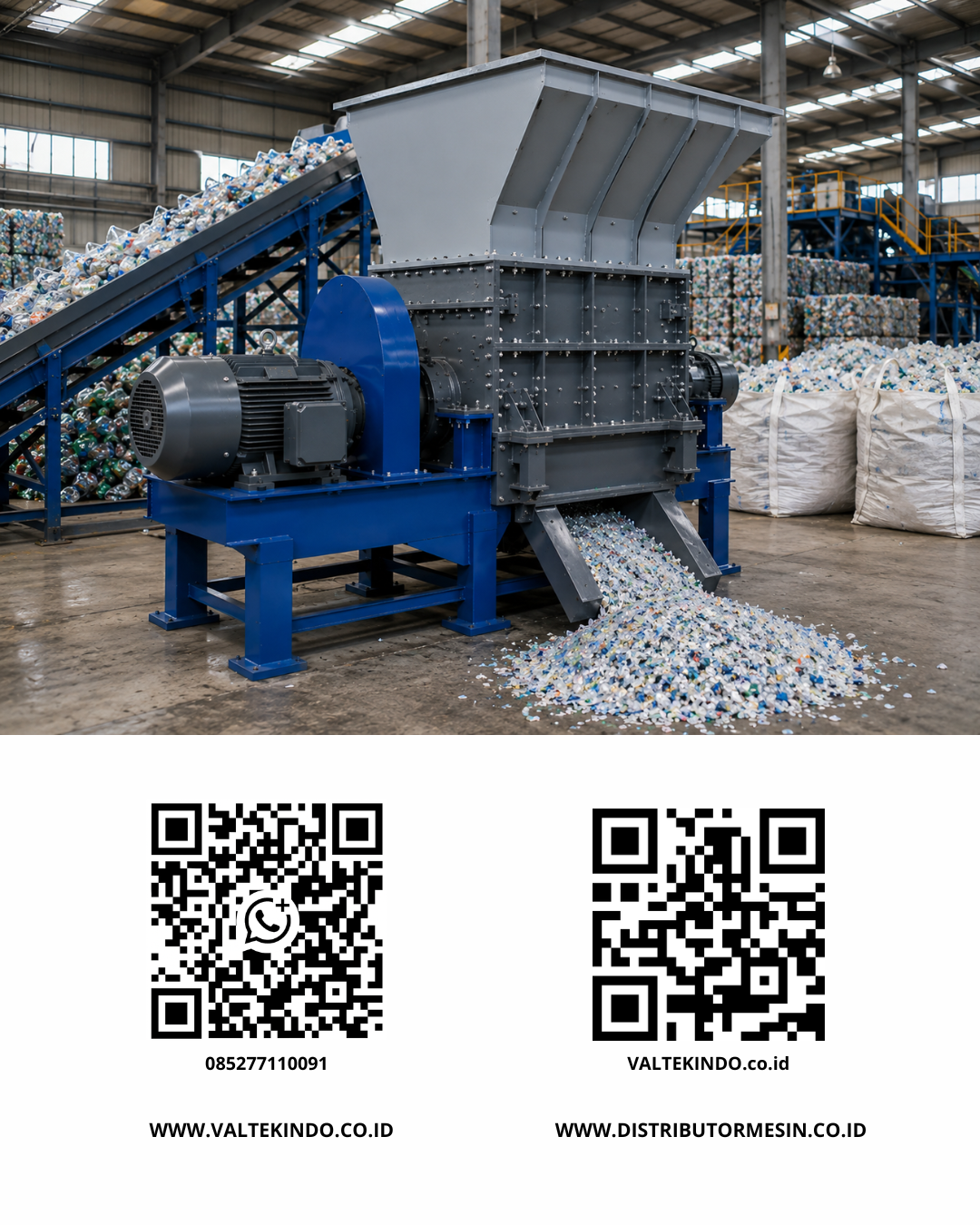
Thoroughly understanding the anatomy and mechanical working principles of plastic bottle crushing machines is an essential step for factory engineers and plant managers before they design, upgrade, or overhaul their recycling production lines. From a technical standpoint, these crushing machines operate by utilizing a dynamic rotor system equipped with rows of high-speed alloy steel blades. Materials such as SKD-11 or D2 tool steel are predominantly chosen for their exceptional wear resistance and longevity. The precise interaction between the rotary blades and the stationary blades within the cutting chamber generates an optimal shearing force. This force is specifically calibrated to tear and shred both elastic polymer materials and rigid plastic bottles with maximum efficacy.
The geometry of the blades and the cutting angles are intricately designed through meticulous technical calculations to reduce material resistance, minimize excessive friction, and crucially prevent the thermal degradation of the plastic caused by mechanical heat generation. Excessive heat, or overheating, within the crushing chamber can cause the PET material to melt at its edges or undergo detrimental molecular characteristic changes. Ultimately, such degradation will significantly lower the commercial resale value of the flakes in the eyes of purchasing factories. Therefore, the clearance adjustment between the rotary blades and the stationary blades must be calibrated with absolute precision, down to fractions of a millimeter, to ensure the crushing process runs efficiently without placing an excessive load on the driving motor. Furthermore, dynamic balancing on the rotor shaft is critically important to prevent destructive vibrations when the machine operates at high RPMs.
In the context of heavy industrial operational applications, the primary challenge does not solely lie in the metric of how much material tonnage can be crushed within a single working cycle. Instead, the focus shifts toward the stability of machine reliability, commonly referred to as machine uptime, and the absolute consistency of the final output size. The quality of the screen mesh components, which are firmly installed at the bottom of the crushing chamber, plays a highly vital role in this aspect. The dimensional size of the holes in this screen will sort the material in real-time; plastic pieces that have not yet achieved the targeted uniform dimensions will be retained, continue to circulate, and be recut by the rotor blades until their size meets the requisite standard to pass through.
This precision cutting mechanism ensures that the factory does not produce an excessive amount of plastic dust, known as fines. Fines are frequently categorized as yield loss and significantly decrease the conversion efficiency of the raw material. Moving further into operational ergonomics, the structural design of the crushing chamber must be highly accessible. Modern industrial units are generally equipped with a hydraulic system to open the cutting chamber cover automatically, a feature that is indispensable for facilitating routine maintenance activities. The process of replacing dulled blades, adjusting blade clearances, or conducting comprehensive machine chamber cleaning routines during color or material type changeovers must be executable by technicians within a very short timeframe. This ensures that the production line downtime can be suppressed to the absolute minimum level. The double-layered hopper tank design found on modern industrial units also significantly contributes to soundproofing and acoustic noise reduction, ensuring compliance with strict Occupational Health and Safety standards within the factory environment.
The integration phase of the plastic bottle crushing machine into an automated conveyor system and friction washer unit requires precise layout analysis and accurate process engineering. The feeding rate capacity from the input conveyor must be perfectly synchronized with the crushing capacity ratio of the crusher to prevent any bottlenecks or material accumulation that could lead to rotor jamming. The performance specifications of the electric motor, the heavy-duty v-belt transmission system responsible for distributing torque, and the vibration-dampening heavy steel frame structure become technical parameters that must be comprehensively evaluated by the factory's technical decision-makers. Electrical control panels based on Programmable Logic Controllers (PLC) and machine overload protection systems have become non-negotiable standard features to ensure a safe, 24/7 operational capability. To accurately evaluate electrical parameters, rotational speed ratios, power consumption curves, and dissect the detailed specifications of the cutting chamber dimensions most ideal for accommodating daily production capacity targets, engineering teams and factory operational directors can review supporting documents via the Standard Plastic Bottle Crusher Series Technical Brochure Link, which provides a comprehensive breakdown of the functional capabilities of the machine unit.
In the modern manufacturing ecosystem, the successful implementation of precise mechanical infrastructure is invariably linked to the selection of a technology provider partner with a strong capability and proven track record in the industrial machinery procurement sector. The scalability and future production capacity expansion of a factory demand the absolute certainty of genuine spare parts availability, responsive after-sales technical maintenance support, and clear fabrication material standardization for every machine unit. Building or revitalizing an international-standard plastic waste processing facility requires the assurance that the invested capital is allocated to hardware specifically engineered to endure heavy-duty work cycles for hours every single day, without exhibiting any significant indication of cutting sharpness degradation.
As an entity that has long operated and deeply integrated into the supply chain of mechanical manufacturing and processing machinery provision, PT Valtekindo Global Intertek is fully dedicated to facilitating the needs of industrial players by providing a thoroughly curated lineup of industrial-grade machinery. This serves as a primary commitment to complying with B2B functional feasibility standards, while simultaneously ensuring that every unit operated in client facilities is proven capable of producing maximum precision crushing performance. It maintains daily production stability and delivers mechanical durability over an extensively long operational lifespan, even when operating within high-wear workshop environments.
In the final business calculation, the implementation of a technically reliable standard plastic bottle crusher unit will directly contribute to a surge in the competitive advantage of the raw material processing facility amidst the intense competition for recycled material supply. A factory that has proven its capability to consistently supply PET flakes characterized by high residue purity, constant particle size distribution, freedom from detrimental dust percentages, and zero cross-contamination will invariably position itself as a premier supplier. Such premium raw materials are highly sought after by massive-scale manufacturing industries, including polyester garment manufacturers, thermoforming sheet printing facilities, and producers of rPET (recycled PET) based food-grade packaging. The foundation of corporate market trust and the acquisition of long-term sales contracts always commence with the quality stability of the raw material commodity. This dependable output stability is born purely from precise, upstream mechanical processing infrastructure. Therefore, executing the standardization and revitalization of the crushing line equipment has now transitioned from a mere technical discourse into a fundamental corporate strategy. It is essential for reducing machine depreciation figures in the ledger, maximizing energy conversion, and aggregately extracting maximum profitability from every tonnage of residual plastic successfully purified.
Contact Our Sales Team Today
Looking for high-quality industrial machinery, factory automation solutions, or customized equipment for your business? Our experienced sales team is ready to help you find the right solution, provide technical consultation, and offer the best pricing.
Contact Our Official WhatsApp Sales Team:
- WhatsApp Sales 1: 085222110091
- WhatsApp Sales 2: 085277110091
Visit our official websites to explore our complete product catalog, machine operation videos, technical information, and exclusive offers:
PT. Valtekindo Global Intertek is your trusted partner for industrial machinery, processing equipment, recycling systems, laboratory instruments, and factory automation solutions. Contact us today for a free consultation and receive the best solution tailored to your business needs.

Admin
AuthorAdmin is a writer on the Valtekindo website, providing informative content about High Quality Industrial Machinery and Testing Machines.
Related post:
- Pharmaceutical Factory Production Escalation Strategy: Why Investing in an Automatic Capsule Filling Machine is the Most Crucial Business Decision
- High-Precision Wire Cut EDM Technology in 2026: The Ultimate Solution for Mold Making, Stamping Dies, and Automotive Component Fabrication Without Thermal Distortion
- 2026 Automated Carton Sealer & Erector Investment Guide: End-of-Line Automation Strategies for Industrial Plant Efficiency