Optimizing Panel Production Workflows Through the Integration of Hydraulic Cold Press and High Speed Saw
In the modern woodworking and building materials manufacturing industry, operational workflow efficiency is a primary determinant of competitiveness. One production line that demands high precision and maximum structural strength is panel manufacturing, whether involving plywood, blockboard, MDF, or other custom laminated panels. This downstream manufacturing process involves two critical stages that structurally influence each other: the core material pressing phase and the final cutting phase for market-standard dimension adjustments. Synchronously connecting these two mechanical phases is the ultimate key to minimizing processing time waste and consistently reducing product failure rates.
Synergy of Cold Pressing on Panel Structures
The initial stage of combining various material layers requires consistent and even pressure distribution so that the adhesive agent can bond the wood layers perfectly down to the deepest fibers. Utilizing hydraulic cold pressing technology serves as the best solution to maintain structural integrity without damaging the natural characteristics of the wood itself. The hydraulic system ensures a consistent workload distribution across the entire sheet surface, thereby preventing the risk of deformation, surface warping, or bending after the material emerges from the press mold. Through a mechanically measured pressing method, internal panel density quality can be achieved under strict quality control compliance standards.
In addition to producing a much superior bonding strength, this cold pressing process also prepares the initial dimensions of the raw sheets to be more stable when entering advanced, more aggressive mechanical stages. If you wish to deepen your technical understanding of the standardization of main supporting components within this wood manufacturing industry, you can study various comparative technical references available from a trusted industrial machinery and laboratory equipment distributor to gain insights into regulations and the latest technology updates.
The Role of High-Speed Cutting in Dimensional Accuracy
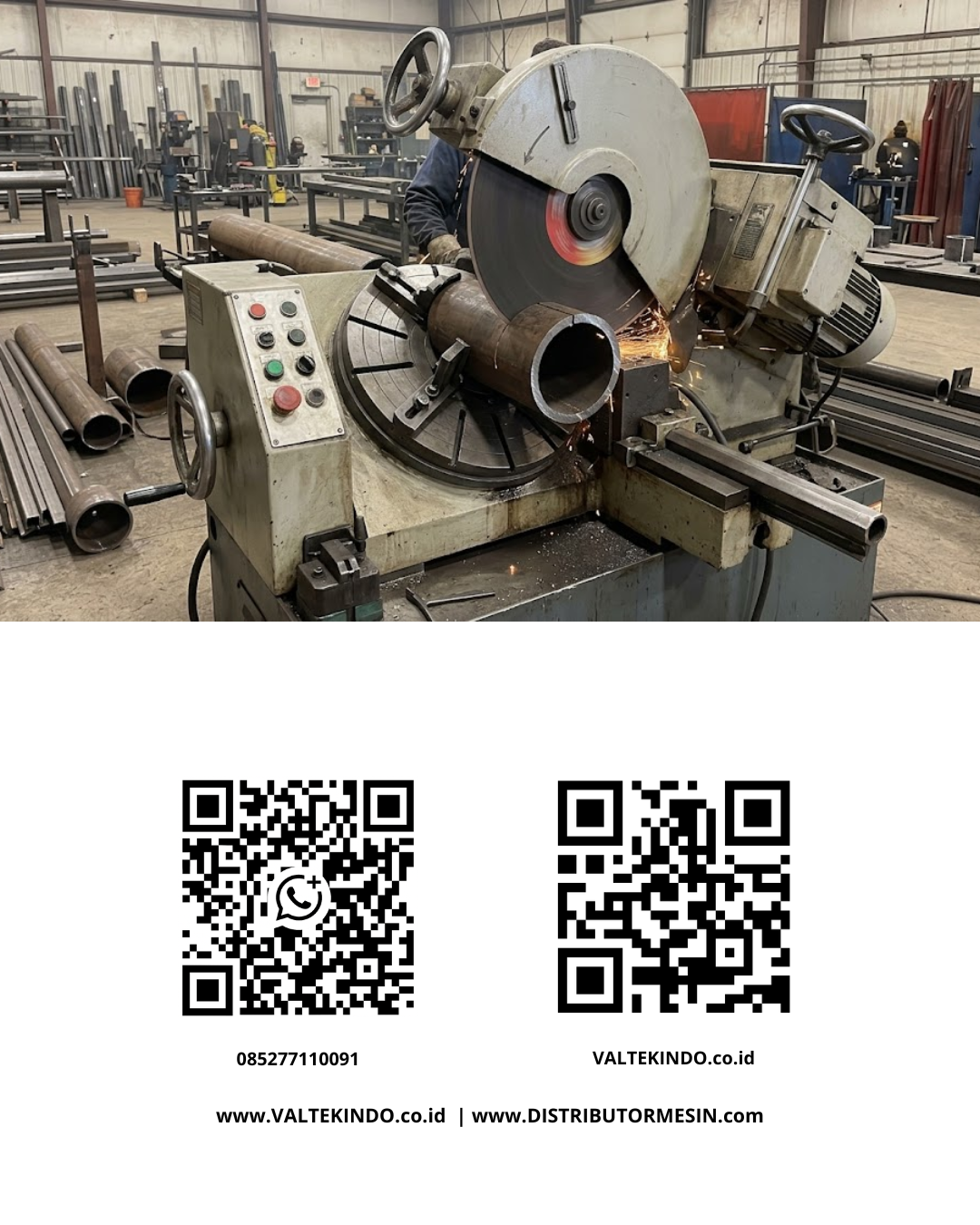
Once the panels have passed through the cold pressing phase and achieved an optimal level of structural density, the next production challenge shifts to the aspect of edge trimming and sizing processes. Thick, hard, and dense panel sheets require specialized machining handling to prevent the cut edges from experiencing micro-cracking (chipping) or burning due to heat accumulation from saw blade friction. This is where the importance of deploying a high-speed cutting saw unit equipped with advanced control systems and flexible working angle adjusters becomes evident.
Modern cutting technology today has adopted integrated rotary table mechanisms that allow operators to perform multi-sided cutting simultaneously without having to manually reposition the material repeatedly. This automated angle adjustment method is highly crucial when the plant line must handle complex geometric cut patterns with very small error tolerances. For manufacturers looking to optimize thick sheet cutting efficiency consistently, utilizing a high speed cut-off saw with rotary table system has been proven to significantly reduce machine set-up times while improving dimensional accuracy down to the smallest fraction of a millimeter.
System Integration Benefits on Production Output
When the hydraulic cold press unit works seamlessly with the fast-cutting saw unit, the entire factory ecosystem will experience a drastic performance boost. The first benefit is the reduction of waiting time between processes (lead time). Panel materials just emerging from the press machine can be directly routed to the automatic cutting table without needing excessive logistical stacking on the workshop floor. This efficient linear flow automatically minimizes cosmetic damage risks caused by overly frequent material handling activities.
The second benefit is closely related to material utilization efficiency (yield rate). The combination of precise hydraulic pressure and high-speed cutting produces clean, smooth, and perfectly square panel edges. This reduces machining error margins and suppresses the accumulation of waste wood scraps, allowing each sheet of primary raw material to be converted into ready-to-sell products in a much more maximized quantity. Ultimately, the integration of these two main technologies not only increases the daily volume capacity of the factory but also ensures consistent final quality standardization in every production batch.
Optimize Your Industry Today!
Achieve production efficiency and the highest quality standards with a trusted industrial machinery provider. Explore our wide selection of premium processing and testing equipment at:
Website : valtekindo.co.id
Wesbite : distributormesin.com
Consult your technical needs with our expert sales team:
WhatsApp 1: +62 852-2211-0091
WhatsApp 2: +62 852-7711-0091

Admin
AuthorAdmin is a writer on the Valtekindo website, providing informative content about High Quality Industrial Machinery and Testing Machines.
Related post:
- Pharmaceutical Factory Production Escalation Strategy: Why Investing in an Automatic Capsule Filling Machine is the Most Crucial Business Decision
- High-Precision Wire Cut EDM Technology in 2026: The Ultimate Solution for Mold Making, Stamping Dies, and Automotive Component Fabrication Without Thermal Distortion
- 2026 Automated Carton Sealer & Erector Investment Guide: End-of-Line Automation Strategies for Industrial Plant Efficiency