Natural Rubber Factory Layout Analysis: Optimizing Production Flow for Precision Results
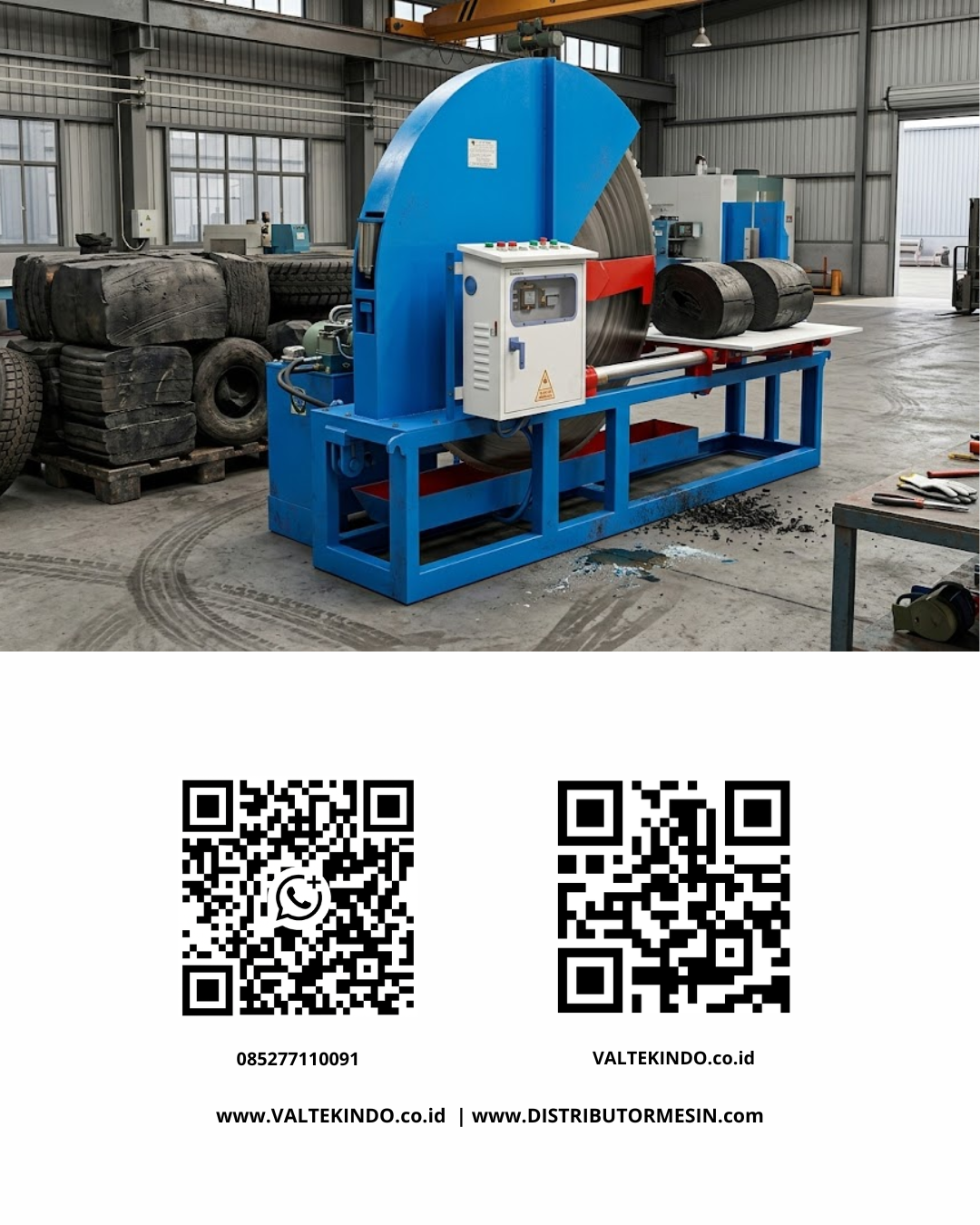
In the natural rubber processing industry, operational success is heavily dictated by the efficiency of space and workflow. Without a well-planned factory layout, the transition from raw material to finished product often encounters bottlenecks and unnecessary delays. Optimizing production flow is not merely about equipment placement; it is about creating a synchronized ecosystem that ensures high-quality, high-precision output.
Fundamental Principles of Rubber Factory Layouts
An ideal plant layout must facilitate the seamless movement of materials from one stage to the next. In natural rubber processing, the primary challenges include the bulkiness, stickiness, and specific temperature/pressure requirements of the raw material. Generally, there are three core principles when analyzing a rubber factory layout:
- Minimizing Transit Distance: Every meter of raw material movement adds to operational costs and increases the risk of contamination. The receiving area for raw materials should be positioned as close as possible to the initial cleaning stage.
- Integration of Information and Material Flow: Operators at every workstation must have easy visual and data access to the preceding and succeeding processes to maintain synchronization.
- Space Flexibility: The rubber industry is constantly evolving. A layout must allow for capacity expansion or the integration of new technologies without requiring a complete overhaul of the building structure
Stages of an Optimized Production Flow
To achieve precise results, the production flow is typically divided into several critical zones:
1. Receiving and Coagulation Zone
This is where latex or lump rubber is received. Isolating this area is vital to prevent external contaminants from entering the core processing stages. The layout should support direct liquid waste disposal through integrated floor drainage systems.
2. Cleaning and Milling Zone
The material then enters the milling machines to remove impurities and form sheets. At this stage, water flow is constant. Machine placement must account for floor sloping to ensure proper drainage, keeping the workspace dry and safe for operators.
3. Precision Cutting and Measurement Zone
Once the rubber has passed through drying or sheet formation, the next crucial step is cutting. To maintain strict industry standards, dimensional accuracy is required for every piece. Utilizing a high-precision hydraulic rubber cutting machine significantly determines whether the final product meets the client's technical specifications. This cutting unit should be located in an area with maximum lighting and ample space for stacking the finished cuts.
4. Packaging and Warehousing Zone
Final products that have reached the required precision must be packaged immediately to maintain moisture levels. The flow from the cutting table to the packing area should be linear to avoid "backtracking," which can cause chaos on the production floor.
Overcoming Operational Hurdles Through Layout Strategy
Many factories experience quality degradation due to material accumulation in the middle of the production line. The primary solution is implementing either a U-Shape Layout or a Straight-Line Layout.
- U-Shape Layout: Highly effective for factories with limited space. The entry point for raw materials and the exit point for finished goods are on the same side, simplifying logistical supervision.
- Straight-Line Layout: Best suited for large-scale mass production where machines are placed in a sequential, longitudinal order. This is the optimal choice for integrating conveyor systems.
Beyond machine placement, ergonomics must not be overlooked. Worktable height and the accessibility of machine control panels greatly affect human work speed. Efficiency increases drastically when operators do not have to perform unnecessary repetitive movements simply because a tool is difficult to reach.
Conclusion
Optimizing a natural rubber factory layout is a long-term investment that directly impacts profitability. By strategically arranging the production flow—from material reception to the use of accurate cutting technology—companies can reduce defect rates and increase daily capacity. For industrial managers looking to upgrade their production systems, references regarding manufacturing support units can be found through various trusted industrial machinery solution providers who understand the technical standards required in the market.
Optimize Your Industry Today!
Achieve production efficiency and the highest quality standards with a trusted industrial machinery provider. Explore our wide selection of premium processing and testing equipment at:
Website : valtekindo.co.id
Website : distributormesin.com
Consult your technical needs with our expert sales team:
WhatsApp 1: +62 852-2211-0091
WhatsApp 2: +62 852-7711-0091

Admin
AuthorAdmin is a writer on the Valtekindo website, providing informative content about High Quality Industrial Machinery and Testing Machines.
Related post:
- Pharmaceutical Factory Production Escalation Strategy: Why Investing in an Automatic Capsule Filling Machine is the Most Crucial Business Decision
- High-Precision Wire Cut EDM Technology in 2026: The Ultimate Solution for Mold Making, Stamping Dies, and Automotive Component Fabrication Without Thermal Distortion
- 2026 Automated Carton Sealer & Erector Investment Guide: End-of-Line Automation Strategies for Industrial Plant Efficiency