Implementing Nanofiber Machines at Laboratory Scale: Operational Challenges and User Safety Solutions
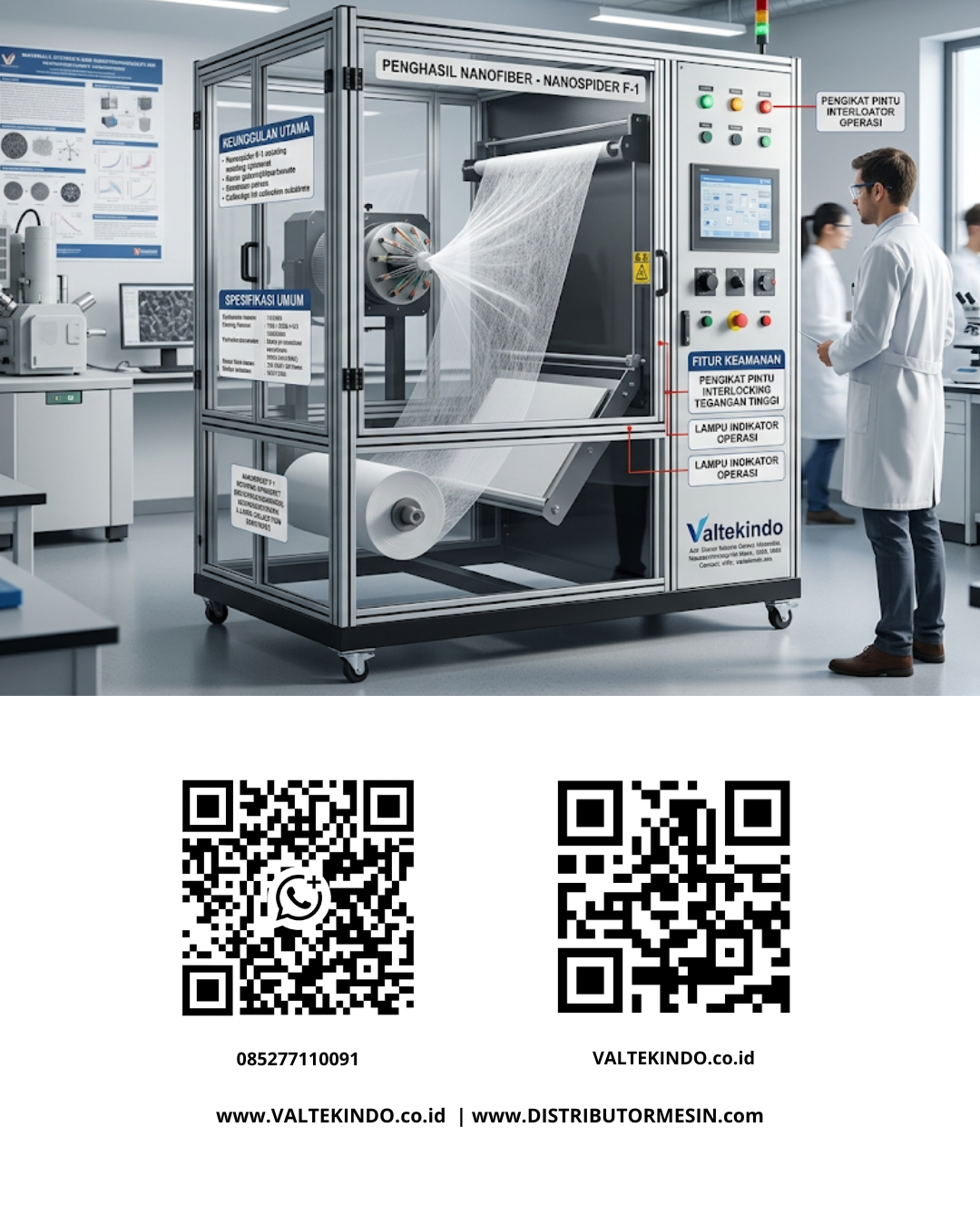
Nanofiber technology has become a cornerstone of modern material innovation, spanning applications from advanced medical scaffolds to high-efficiency filtration systems. In research environments, electrospinning machines are often the primary choice for producing fibers with nanometer-scale diameters. However, transitioning this sophisticated technology into daily laboratory operations is not without its hurdles. Success requires a deep understanding of technical challenges and strict safety protocols to ensure research sustainability.
Primary Operational Challenges in the Laboratory
Utilizing nanofiber machines at a laboratory scale often involves obstacles regarding efficiency and result consistency. Some of the most common challenges include:
- Environmental Parameter Control: The nanofiber formation process is highly sensitive to humidity and temperature. Minor fluctuations in room conditions can alter fiber morphology, ultimately affecting the integrity of research data.
- High-Voltage Optimization: Operating these machines requires significantly high electrical voltage to overcome the surface tension of the polymer solution. Balancing this parameter with the flow rate demands high precision from the operator.
- Nozzle Maintenance: Needle clogging is a frequent occurrence if the solution viscosity is not maintained, which can abruptly halt an experimental process and lead to material waste.
User Safety: A Top Priority
Beyond technical difficulties, safety is the most crucial aspect of nanofiber production. The process involves organic chemical solvents that are often volatile and flammable. Without adequate safety systems, exposure to these chemical vapors can pose long-term health risks to researchers.
Furthermore, the risk of electrical shock from high-voltage sources is a tangible threat if the machine lacks a perfect insulation system. Therefore, selecting equipment that prioritizes operational safety is vital. Researchers must ensure that the tools used feature integrated ventilation systems to efficiently exhaust solvent residues away from the workspace.
Smart Solutions for Sustainable Research
To overcome the obstacles mentioned above, the research community is increasingly shifting toward equipment specifically designed for comfort and safety. Integrating user-friendly designs not only accelerates the learning curve for young researchers but also minimizes human error.
Many institutions are now considering a smart laboratory investment with machine designs that prioritize ergonomics and safety. By utilizing devices equipped with automatic safety features and precise digital control systems, operational barriers such as parameter fluctuations can be kept to a minimum. This is essential for producing high-quality, reproducible scientific publications.
Building an Efficient Laboratory Ecosystem
Selecting laboratory equipment is about more than just technical specifications on a datasheet. It is about how that tool supports the research workflow without introducing additional risks to the user. With the right technological support from a trusted laboratory solutions provider, the downstream process of nanofiber research results can proceed more quickly and safely.
The application of Standard Operating Procedures (SOPs) supported by adequate hardware creates an environment conducive to innovation. Ensure that every component, from the power supply to the fiber collector, has undergone rigorous feasibility testing in accordance with industrial safety standards.
Technical Consultation and Information Services
Looking for machine solutions that truly boost your productivity?
Visit www.valtekindo.co.id and www.distributormesin.com, or contact our team directly:
- WhatsApp 1: 085222110091
- WhatsApp 2: 085277110091

Admin
AuthorAdmin is a writer on the Valtekindo website, providing informative content about High Quality Industrial Machinery and Testing Machines.
Related post:
- Pharmaceutical Factory Production Escalation Strategy: Why Investing in an Automatic Capsule Filling Machine is the Most Crucial Business Decision
- High-Precision Wire Cut EDM Technology in 2026: The Ultimate Solution for Mold Making, Stamping Dies, and Automotive Component Fabrication Without Thermal Distortion
- 2026 Automated Carton Sealer & Erector Investment Guide: End-of-Line Automation Strategies for Industrial Plant Efficiency