Hydraulic Rubber Press Machine Performance Standards: Optimizing Vulcanization Precision and Efficiency in Modern Factories
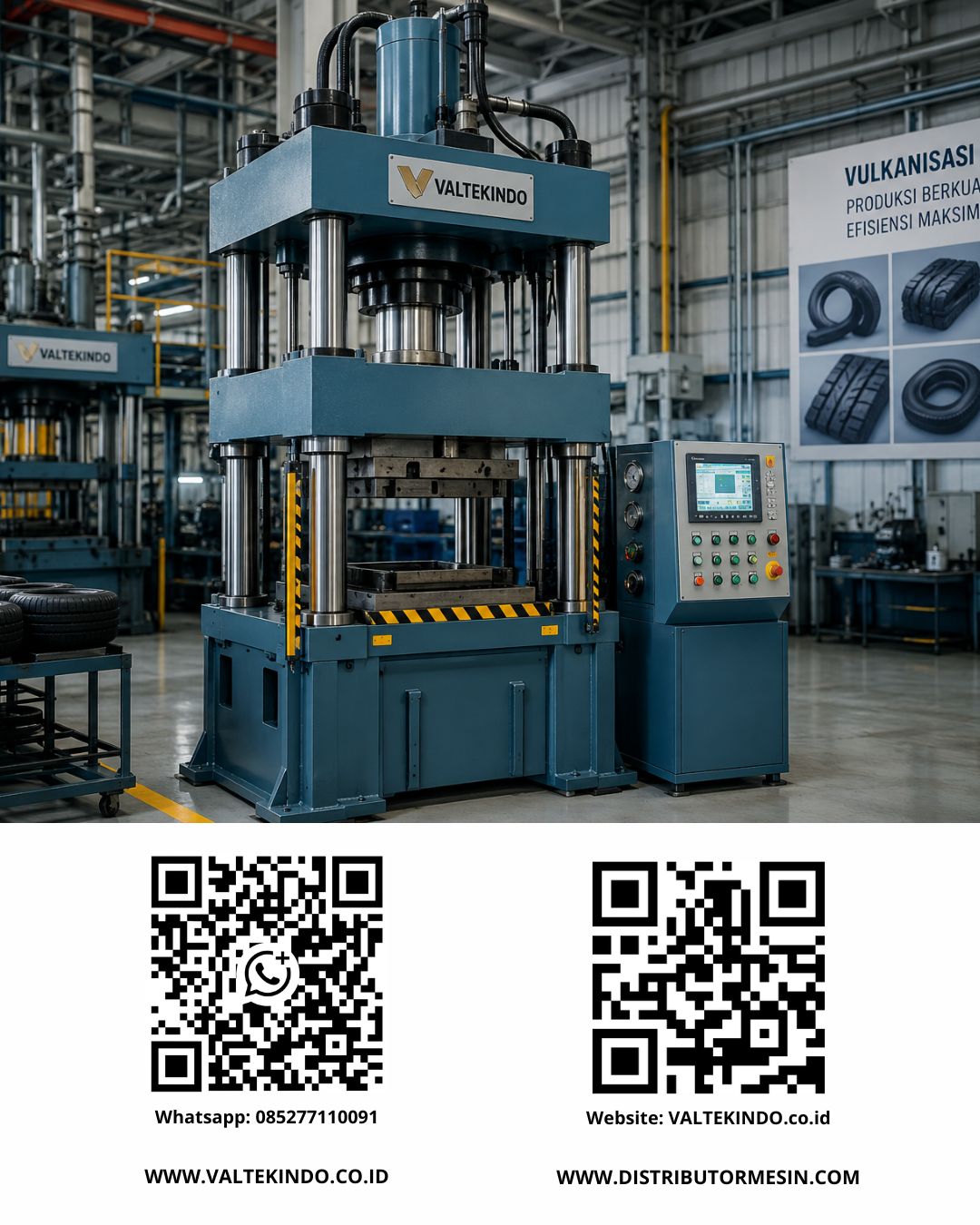
The rubber manufacturing industry operates with extremely tight tolerance margins. From hydraulic seals used in heavy machinery to vibration dampening components in motor vehicles, mechanical failure due to imperfect vulcanization is simply not an option. Therefore, the application of stringent performance standards for hydraulic rubber press machines is an absolute priority for large-scale producers. Optimizing these machines is not merely about production speed; it is fundamentally about the consistency of quality metrics, thermal cycle management, and ensuring workplace safety.
The Critical Role of Hydraulic Stability in Molding Accuracy The primary foundation of a rubber molding machine's performance lies in the reliability of its hydraulic system. This system is responsible for transferring hydraulic fluid through a complex series of pumps, proportional valves, and cylinders to generate immense mechanical force. Modern industrial standards demand that machines possess the capability to maintain static pressure (pressure holding) without experiencing any power degradation during the vulcanization cycle, which can last anywhere from minutes to hours.
Pressure loss, no matter how minute, can result in the formation of microporosity within the rubber structure, which in turn degrades the tensile stress and abrasion resistance of the product. To overcome this challenge, cutting-edge rubber press machines are equipped with integrated logic valves and variable displacement pumps. These components ensure the pressure remains absolutely stable while simultaneously optimizing the factory's electrical power consumption.
Thermal Management and Precision Heat Distribution Alongside pressure, the most crucial independent variable in vulcanization is temperature. The polymer cross-linking reaction requires an extremely specific and uniform temperature profile across the entire mold cavity. The heating platens on high-performance machines are constructed using Finite Element Analysis (FEA) to ensure the heating element circuits within are distributed optimally.
The utilization of PID (Proportional-Integral-Derivative) temperature controllers is a mandatory industry standard. PID systems continuously monitor actual temperatures via highly sensitive thermocouples and instantaneously adjust heating power to prevent severe fluctuations (overshoot or undershoot). This absolute temperature consistency ensures that the rubber in the center of the mold cures simultaneously with the rubber at the edges, eliminating the risk of internal structural defects.
Integration of Automation and Production Quality Control As the industry rapidly shifts towards Industry 4.0, hydraulic rubber press machines now require high levels of automation. Intelligent control panels allow factories to set parameters that cannot be altered without management-level authorization, thereby strictly maintaining batch-to-batch stability. Features such as automatic degassing (bumping) are regulated by microsecond timers to release gas trapped within the rubber compound without causing temperature drops that could disrupt the chemical process.
Companies aiming to radically scale up production volume without sacrificing quality must invest in the appropriate machine technology. You can review the technical architecture and details of systems capable of delivering high-level repeatability on the specification page for mesin press karet hidrolik presisi tinggi untuk produksi karet lebih cepat konsisten. This reference link provides a concrete overview of the technical specifications demanded by modern assembly lines.
Workplace Safety and Return on Investment (ROI) Standardization The evaluation of industrial machinery is incomplete without factoring in operational safety and ROI calculations. Modern hydraulic machines come equipped with safety light curtains, dual emergency stop buttons, and hydraulic interlock circuits that physically prevent the platen from descending accidentally. Safe facilities drastically reduce the risk of workplace accidents that can halt production lines.
From an investment perspective, the ROI of a high-standard machine is achieved through a dramatic reduction in material waste (scrap rate reduction), lowered energy consumption (thanks to efficient servo motors), and an increased lifespan of molds (due to smooth, non-damaging pressure application). To support this manufacturing infrastructure, PT Valtekindo Global Intertek is fully committed as an industrial machinery distributor ensuring the availability of technical solutions oriented towards global operational competitiveness.
For investors and factory planners, evaluating these specifications objectively will lead to the procurement of capital assets that not only meet current production needs but also possess the scalability for future manufacturing challenges.
Contact Our Sales Team Today
Looking for high-quality industrial machinery, factory automation solutions, or customized equipment for your business? Our experienced sales team is ready to help you find the right solution, provide technical consultation, and offer the best pricing.
Contact Our Official WhatsApp Sales Team:
- WhatsApp Sales 1: 085222110091
- WhatsApp Sales 2: 085277110091
Visit our official websites to explore our complete product catalog, machine operation videos, technical information, and exclusive offers:
PT. Valtekindo Global Intertek is your trusted partner for industrial machinery, processing equipment, recycling systems, laboratory instruments, and factory automation solutions. Contact us today for a free consultation and receive the best solution tailored to your business needs.

Admin
AuthorAdmin is a writer on the Valtekindo website, providing informative content about High Quality Industrial Machinery and Testing Machines.
Related post:
- Pharmaceutical Factory Production Escalation Strategy: Why Investing in an Automatic Capsule Filling Machine is the Most Crucial Business Decision
- High-Precision Wire Cut EDM Technology in 2026: The Ultimate Solution for Mold Making, Stamping Dies, and Automotive Component Fabrication Without Thermal Distortion
- 2026 Automated Carton Sealer & Erector Investment Guide: End-of-Line Automation Strategies for Industrial Plant Efficiency