How Shoe Injection Machines Turn Plastic Pellets into Finished Products
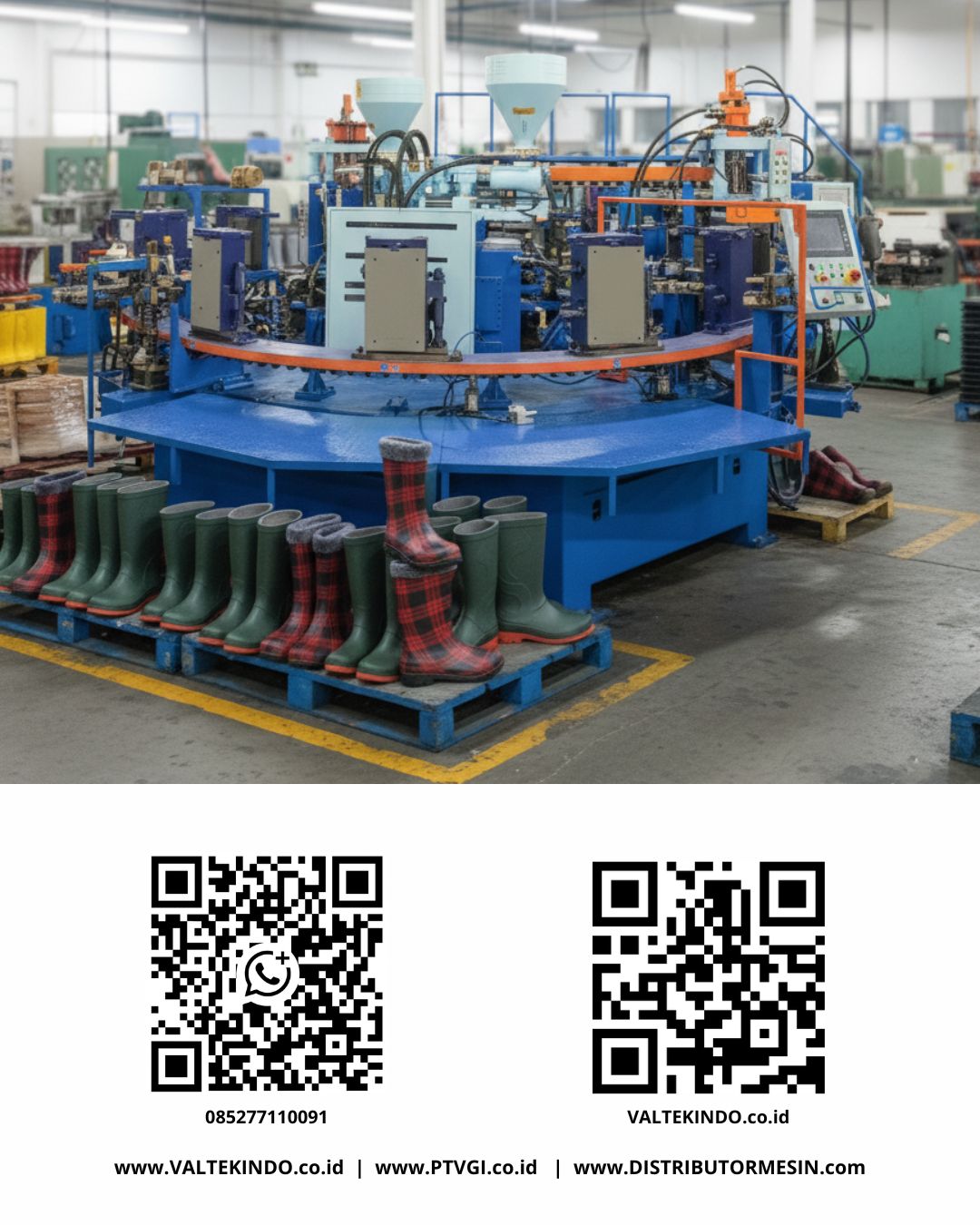
The footwear industry has undergone a massive revolution over the past few decades. A far cry from the labor-intensive and time-consuming manual methods of the past, modern factories now rely on advanced technology to produce footwear in high volumes with incredible precision. The backbone of this revolution is the shoe injection machine.
Have you ever wondered how a sturdy pair of rain boots, a flexible shoe sole, or a comfortable sandal can be produced in mere seconds? The answer lies in a sophisticated manufacturing process where raw materials—often in the form of plastic pellets—are melted and precisely molded.
This article will comprehensively explore how shoe injection machines work, transforming simple plastic granules into functional, ready-to-wear footwear. We will look at the anatomy of the machine, the step-by-step process, and how advanced technology, like that found in specialized machines, drives efficiency to new levels.
Understanding the Shoe Injection Machine
At its core, a shoe injection machine is an automated piece of manufacturing equipment that melts thermoplastic polymers (plastic pellets) and injects them under high pressure into a mold cavity. Once the plastic cools and hardens inside the mold, it takes the precise shape of that mold—whether it's a sole, a shoe upper, or even an entire shoe at once, like a boot.
The primary raw materials, or "plastic pellets," used are highly varied, depending on the desired end product. For durable, waterproof boots, materials like PVC (Polyvinyl Chloride) and TPR (Thermoplastic Rubber) are the most common choices due to their resilience and flexibility. For lighter soles, manufacturers might use EVA (Ethylene-Vinyl Acetate).
These machines are designed for extremely rapid cycles. A single production cycle—from injection to product ejection—can take just tens of seconds to a few minutes. This is what enables mass production, where a single machine can churn out thousands of pairs of shoes every day with consistent quality.
Anatomy of a Modern Injection Machine
To understand how an injection machine works, we must first understand its main components. While designs vary, a factory-scale injection machine generally consists of several core units working in harmony.
1. The Injection Unit
This is the "heart" of the machine. It's where the plastic pellets begin their transformation.
- Hopper: A large funnel at the top of the machine where raw plastic pellets (and often color pigments) are poured.
- Barrel and Screw: From the hopper, the pellets feed into a heated barrel. Inside this barrel is a rotating screw. The rotation of this screw not only pushes the plastic forward but also generates frictional heat which, combined with heater bands on the outside of the barrel, melts the plastic into a viscous liquid (the "melt").
- Dual-Injection System: Advanced machines, especially those designed for two-color products, feature a dual-injection system (main and auxiliary). This allows the machine to inject two different colors or even two different materials (e.g., PVC for the upper and TPR for the sole) in a single production cycle.
2. The Clamping Unit
This unit is responsible for holding the mold tightly shut during the high-pressure injection process.
- Mold: This is the custom-made, high-precision steel tool that contains the cavity carved in the shape of the desired shoe.
- Clamping Pressure: The clamping unit applies enormous hydraulic or mechanical force (often measured in tens or hundreds of tons) to ensure the mold does not open even slightly from the force of the molten plastic. Strong clamping pressure is essential to prevent material leakage ("flash") and ensure every design detail is sharply defined.
3. The Control System
This is the "brain" of the entire operation. Modern factories no longer rely on manual levers; they use fully automated systems.
- PLC (Programmable Logic Controller): An industrial computer that governs every parameter of the process: barrel temperature, screw speed, injection volume, cooling time, and mechanical sequencing.
- HMI (Human-Machine Interface): Typically a touchscreen, the HMI allows operators to set production recipes, monitor the process in real-time, and diagnose issues. This automation is crucial for maintaining 24/7 product consistency and minimizing labor requirements.
4. The Platform and Stations
The most efficient shoe injection machines are not single-station machines. They use a rotary multi-station platform. Imagine a large carousel where multiple pairs of molds are mounted. This platform rotates, moving each mold through the various stages of the process simultaneously.
The Step-by-Step Process: From Plastic Pellet to Product
Now let's combine all these components. Here is the journey of a plastic pellet becoming a finished shoe inside a rotary multi-station injection machine:
Step 1: Material Loading PVC or TPR plastic pellets, along with color granules, are loaded into the hopper(s) of the injection unit(s).
Step 2: Mold Clamping and Rotation At "Station 1" (the injection position), the mold is closed tightly by the clamping unit.
Step 3: Injection The screw in the injection unit moves forward like a syringe, forcing the high-pressure molten plastic into the closed mold cavity. On a two-color machine, the first injector might fill the sole, the platform rotates slightly, and the second injector fills the upper with a different color.
Step 4: Rotation and Cooling Once the injection is complete, the rotary platform turns. The mold that was just filled now moves to "Station 2," where the cooling process begins. Cold water circulates through channels within the mold to rapidly extract heat from the plastic, causing it to solidify.
Efficiency Key Point: Simultaneously, while the mold at Station 2 is cooling, a new mold at "Station 1" (which just rotated into position) is being clamped and injected. At the same time, a mold at "Station 3" might be in its final cooling stage, and a mold at "Station 4" is being opened. This is why a rotary platform is so productive; no time is wasted.
Step 5: Product Ejection After rotating through several stations and becoming sufficiently cool (perhaps at "Station 10" or "Station 12"), the mold arrives at the ejection station. The mold opens automatically.
On advanced machines, there is a mechanical-aids stripping system. Robotic arms, ejector pins, or blasts of air help remove the finished boot from the mold quickly and safely, often without any operator intervention.
Step 6: Cycle Repeats The now-empty mold continues its rotation back to "Station 1" for the next injection cycle. This process continues non-stop, producing a finished boot every few seconds.
Case Study: Two-Color Printing Efficiency at Factory Scale
The theory above becomes reality when we look at specialized machines designed for specific tasks. Not all injection machines are created equal. For competitive, high-volume production, such as rain boots, efficiency is everything.
As a prime example of this technology, let's look at the Automatic Two-Color PVC TPR Boot Production Machine for Factory-Scale Efficiency. This machine is a perfect embodiment of all the advanced components we've discussed, designed specifically to dominate the market.
What makes it an ideal case study?
- Two-Color Specialization: It is engineered from the ground up to produce boots with two colors (e.g., black sole and yellow upper) in one integrated process. This drastically reduces labor costs and production time compared to molding the sole and upper separately and then assembling them.
- Full Automation (PLC + HMI): Designed for 24/7 factory operation, its advanced PLC control system ensures every boot that comes out is identical, reducing material waste and product defects.
- Rotary Multi-Station Platform: With a dozen or more mold stations working simultaneously, daily production output is maximized, accelerating the return on investment (ROI) for the factory.
- Designed for PVC/TPR: The machine is optimized to handle these specific materials, ensuring perfect melting and a durable final product.
A machine like this is a strategic move for any footwear factory looking to increase capacity, guarantee consistent quality, and produce more attractive (two-color) designs at a minimal cost.
Conclusion: Investing in Automation
The journey from a raw plastic pellet to a finished shoe is a precise dance of heat, pressure, speed, and automation. Shoe injection machines have transformed the industry, enabling efficient mass production that was previously unimaginable.
Understanding how these machines work—from their dual-injection units, massive clamping forces, and the efficiency of a multi-station rotary platform—demonstrates the critical importance of technology in modern manufacturing.
Optimize Your Industry Today!
Achieve production efficiency and the highest quality standards with a trusted industrial machinery provider. Explore our wide selection of premium processing and testing equipment at:
Website : valtekindo.co.id
Wesbite : distributormesin.com
Consult your technical needs with our expert sales team:
WhatsApp 1: +62 852-2211-0091
WhatsApp 2: +62 852-7711-0091

Admin
AuthorAdmin is a writer on the Valtekindo website, providing informative content about High Quality Industrial Machinery and Testing Machines.
Related post:
- Pharmaceutical Factory Production Escalation Strategy: Why Investing in an Automatic Capsule Filling Machine is the Most Crucial Business Decision
- High-Precision Wire Cut EDM Technology in 2026: The Ultimate Solution for Mold Making, Stamping Dies, and Automotive Component Fabrication Without Thermal Distortion
- 2026 Automated Carton Sealer & Erector Investment Guide: End-of-Line Automation Strategies for Industrial Plant Efficiency