Environmental and Sustainability Aspects of Using Electro-Chlorination Systems in Wastewater Treatment
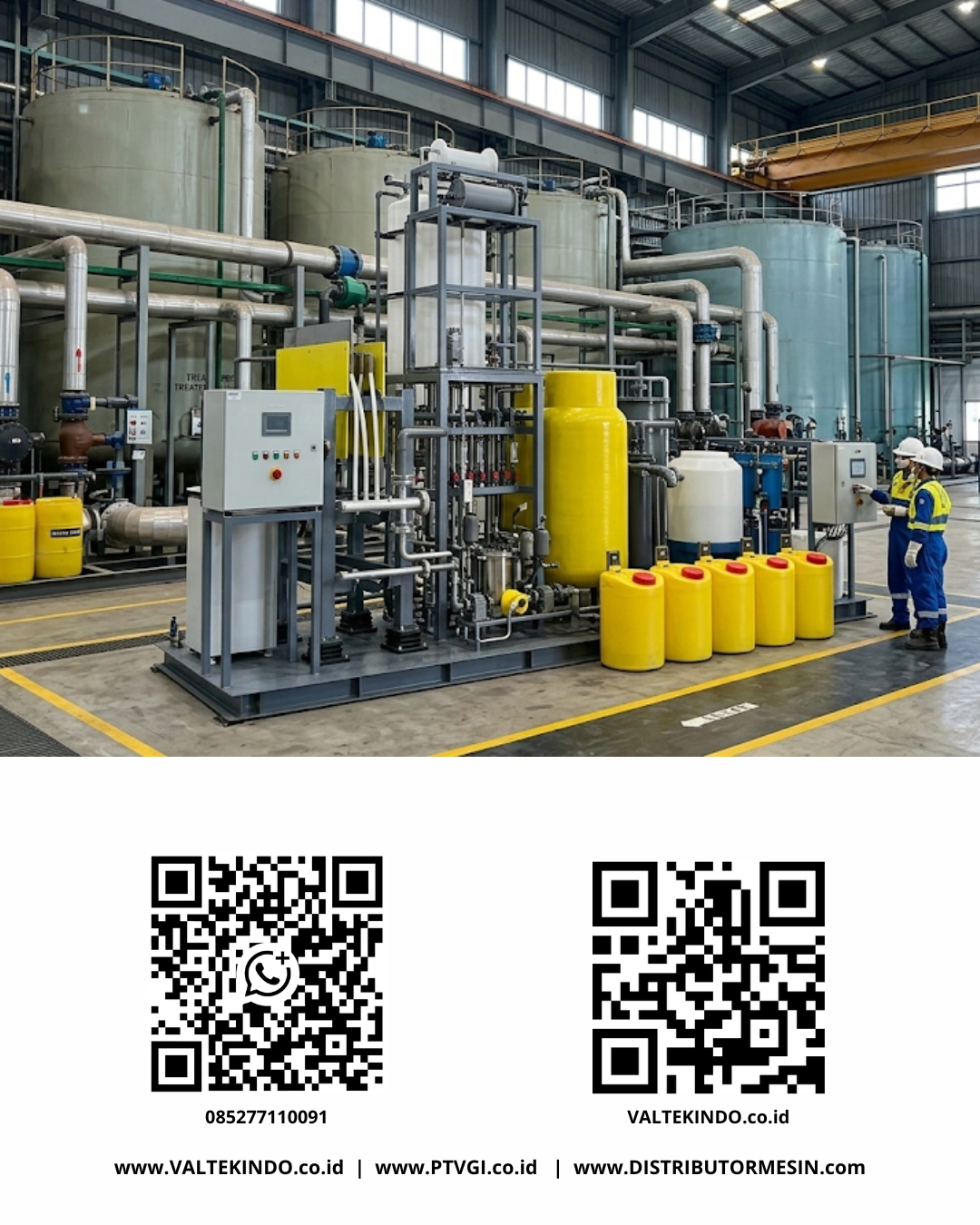
Wastewater treatment has become a top priority in modern industrial management, especially amidst increasing global environmental regulatory standards. One technology that is currently gaining more attention due to its efficiency and operational safety is the electro-chlorination system. Unlike conventional methods that rely on hazardous liquid chemicals or gases, this technology offers a more independent and environmentally friendly approach to the process of eliminating germs and bacteria.
Understanding the Working Mechanism of Electro-Chlorination
Technically, electro-chlorination is the process of decomposing salt solutions or seawater using electrical currents to produce sodium hypochlorite directly at the site of use. This process involves a chemical reaction triggered by a direct electrical current through electrical poles submerged in a conductive liquid. The end result is the formation of a cleaning agent that is highly effective at killing microorganisms, bacteria, and moss in wastewater without the need to store chlorine gas, which poses a high risk of leakage.
Environmental Advantages through the Reduction of Hazardous Chemicals
One of the greatest positive impacts of using this system is the elimination of the hazardous chemical supply chain. In traditional methods, wastewater treatment requires the routine delivery of cleaning agents in liquid or gas form, which carry risks of accidents during transportation and storage. By adopting automated water disinfection solutions, industries can produce cleaning agents only when needed. This minimizes the carbon footprint from logistics transportation and eliminates the potential for soil contamination due to chemical spills in the factory area. Additionally, the concentration of the substance produced is typically low, making it much safer for workers and the surrounding ecosystem.
Operational Sustainability and Energy Efficiency
Sustainability is not just about the environment, but also about how a system can be maintained in the long term with controlled costs. Modern electro-chlorination systems are designed with low energy consumption while maintaining high component durability. The use of quality materials on the electrical poles ensures that the decomposition process runs optimally over a long period. This reduces the frequency of spare part replacements and the solid waste generated from machine maintenance. For industries located in coastal areas, the use of seawater as the main raw material makes this system very economical as it utilizes abundant natural resources sustainably.
By-product Control and Safety
In every chemical process, by-products are an important consideration. In electro-chlorination systems, hydrogen gas is produced in small quantities as a by-product. However, advanced systems today are equipped with automatic dilution or gas disposal units to ensure safety. From an environmental perspective, the residue of the cleaning agent in the treated wastewater is also easier to control, preventing the buildup of excessive chemicals compared to the use of pure chlorine gas, which is difficult to dose precisely.
The Role of Technology in Water Resource Conservation
The implementation of this technology supports the principle of reuse in water management. Wastewater that has gone through the proper cleaning process can be reused for secondary needs such as machine cooling, garden watering, or industrial area cleaning. By keeping the quality of discharged water safe for the environment, industries contribute directly to preserving local groundwater reserves and freshwater ecosystems. Integrating this technology into wastewater treatment infrastructure demonstrates a company's commitment to good environmental governance standards. You can explore various options through a trusted water treatment system provider to understand how this technology can be tailored to specific operational scales.
Closing and Conclusion
The use of electro-chlorination systems is a step forward in aligning industrial operational needs with environmental protection. By producing cleaning agents independently on-site, industries not only improve workplace safety but also reduce dependence on risky chemical logistics. This technology has proven to be a cleaner, safer, and more sustainable solution for the future of wastewater treatment across various sectors.
Optimize Your Industry Today!
Achieve production efficiency and the highest quality standards with a trusted industrial machinery provider. Explore our wide selection of premium processing and testing equipment at:
Website : valtekindo.co.id
Website : distributormesin.com
Consult your technical needs with our expert sales team:
WhatsApp 1: +62 852-2211-0091
WhatsApp 2: +62 852-7711-0091

Admin
AuthorAdmin is a writer on the Valtekindo website, providing informative content about High Quality Industrial Machinery and Testing Machines.
Related post:
- Pharmaceutical Factory Production Escalation Strategy: Why Investing in an Automatic Capsule Filling Machine is the Most Crucial Business Decision
- High-Precision Wire Cut EDM Technology in 2026: The Ultimate Solution for Mold Making, Stamping Dies, and Automotive Component Fabrication Without Thermal Distortion
- 2026 Automated Carton Sealer & Erector Investment Guide: End-of-Line Automation Strategies for Industrial Plant Efficiency