Comprehensive Guide to Understanding Engraving & Cutting Machines: CNC Technology Transforming the Manufacturing Industry
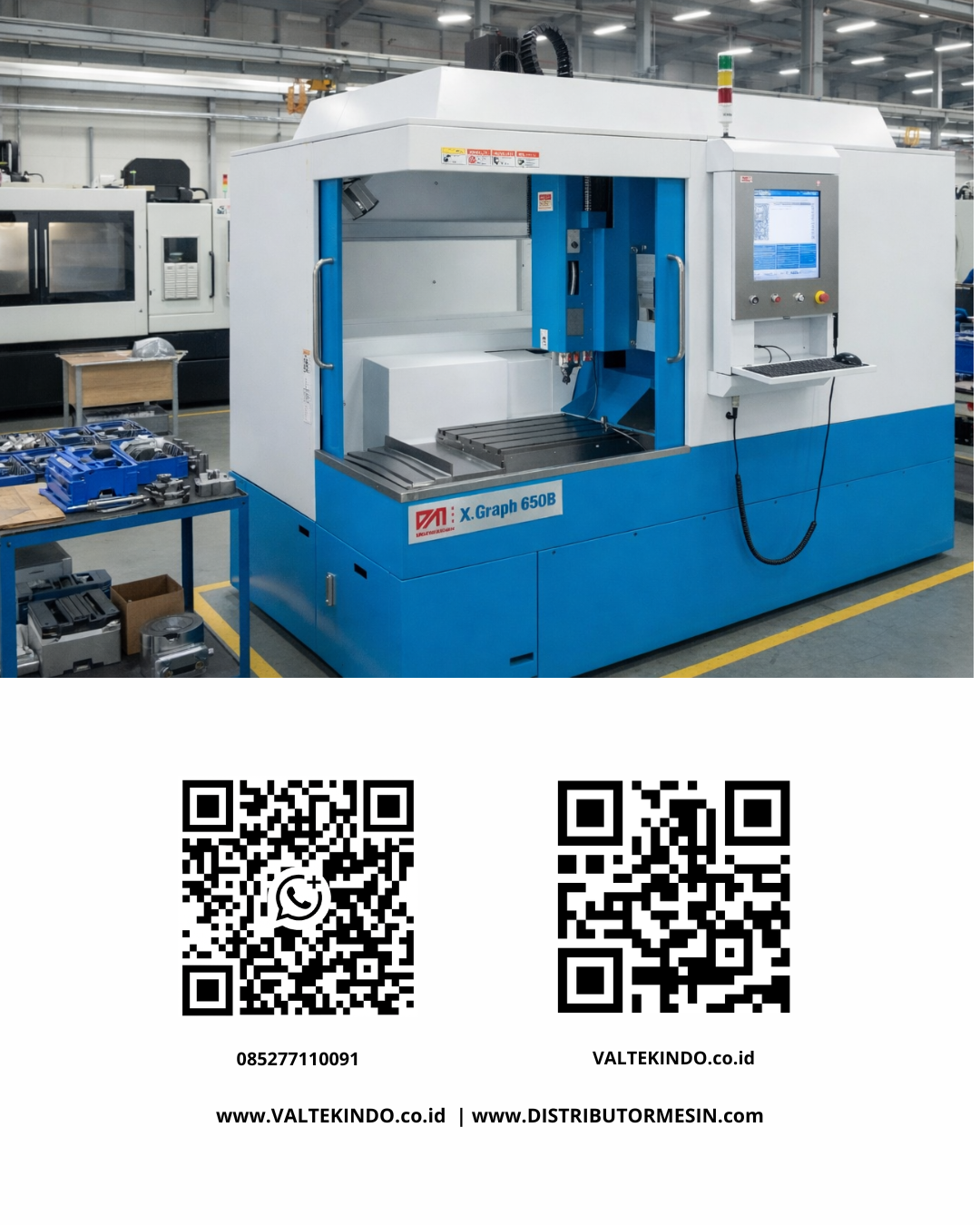
The manufacturing world has undergone a massive transformation since the advent of Computer Numerical Control (CNC) technology. One of the most impactful implementations is found in engraving and cutting machines. This technology offers not just speed, but a level of precision that is nearly impossible for the human hand to achieve manually. For industry players, understanding the inner workings and potential of this technology is key to remaining competitive in the modern era.
What is CNC Engraving and Cutting Technology?
In simple terms, a CNC engraving and cutting machine is a mechanical device controlled by a computer to carve (engrave) or cut various types of materials. These machines operate based on $X$, $Y$, and often $Z$ axis coordinates translated from digital designs.
Unlike traditional methods that rely on manual craftsmanship, this technology ensures that every product generated is identical to the original design. This is crucial in mass production where consistency is everything.
Types of Technology Used
In the manufacturing industry, several methods are commonly used for engraving and cutting processes:
- CNC Router: Typically used for soft materials like wood, plastic, and acrylic. This machine uses a rotating drill bit to shave away material.
- Laser Cutting & Engraving: Utilizes high-powered laser beams to burn or vaporize material. This method is highly popular due to its incredibly smooth and clean cut edges.
- CNC Milling/Metal Engraving: Specifically designed for hard materials. If you are looking for solutions for tough material processing, it is highly recommended to utilize high-quality metal CNC engraving machines that offer high precision levels to meet heavy industrial standards
Advantages of CNC Technology in Manufacturing
Why are so many industries switching to these machines? The answer lies in efficiency and flexibility. Here are some of the primary advantages:
- Extreme Precision: CNC machines are capable of working with tolerances down to microns. This allows for the creation of highly complex engine components or intricate jewelry designs.
- Time Efficiency: The production process becomes much faster. Once a design is uploaded to the software, the machine can work continuously with minimal supervision.
- Minimal Waste: Due to cutting accuracy, material usage is optimized. This directly reduces operational costs and environmental impact.
- Full Automation: Integration with CAD/CAM software allows manufacturers to perform simulations before any cutting takes place, minimizing production errors.
Applications Across Various Sectors
The application of these engraving and cutting machines is vast. In the automotive industry, they are used to create engine components and interior panels. In the advertising world, these machines are the backbone of signage, 3D logos, and plaques. Even in the creative sector, many artists use this technology to create complex decorative works on glass, metal, or wood media.
To achieve maximum results, machine selection must be tailored to the production scale. Further information regarding technical specifications and equipment variations can be found through modern manufacturing solution catalogs that provide various technological options to suit your business needs.
The Future of the Manufacturing Industry
Moving forward, CNC technology is predicted to become even more integrated with Artificial Intelligence (AI). This allows machines to perform self-corrections if anomalies occur during the cutting process. Investing in this technology is no longer just a trend, but a fundamental necessity for companies aiming to elevate their product quality standards.
By understanding the basics of engraving and cutting machines, you can determine a more targeted direction for business development. Speed, accuracy, and quality are the three main pillars offered by CNC technology to take the manufacturing industry to the next level.
The Future of Inkjet Coding: Sustainability and Digitalization
Future trends are leaning toward the use of more environmentally friendly inks (low VOC) and energy-efficient machinery. Additionally, IoT (Internet of Things) connectivity features allow technicians to monitor printer performance remotely, ensuring there is no costly downtime in the production process.
By understanding inkjet coding technology, bottle manufacturers not only enhance the functional value of their packaging but also build consumer trust through accurate and durable product information transparency.
Optimize Your Industry Today!
Achieve production efficiency and the highest quality standards with a trusted industrial machinery provider. Explore our wide selection of premium processing and testing equipment at:
Website : valtekindo.co.id
Website : distributormesin.com
Consult your technical needs with our expert sales team:
WhatsApp 1: +62 852-2211-0091
WhatsApp 2: +62 852-7711-0091

Admin
AuthorAdmin is a writer on the Valtekindo website, providing informative content about High Quality Industrial Machinery and Testing Machines.
Related post:
- Pharmaceutical Factory Production Escalation Strategy: Why Investing in an Automatic Capsule Filling Machine is the Most Crucial Business Decision
- High-Precision Wire Cut EDM Technology in 2026: The Ultimate Solution for Mold Making, Stamping Dies, and Automotive Component Fabrication Without Thermal Distortion
- 2026 Automated Carton Sealer & Erector Investment Guide: End-of-Line Automation Strategies for Industrial Plant Efficiency