Cold Room Storage in Industry: Functions, Working Systems, and Its Role in Maintaining Product Quality
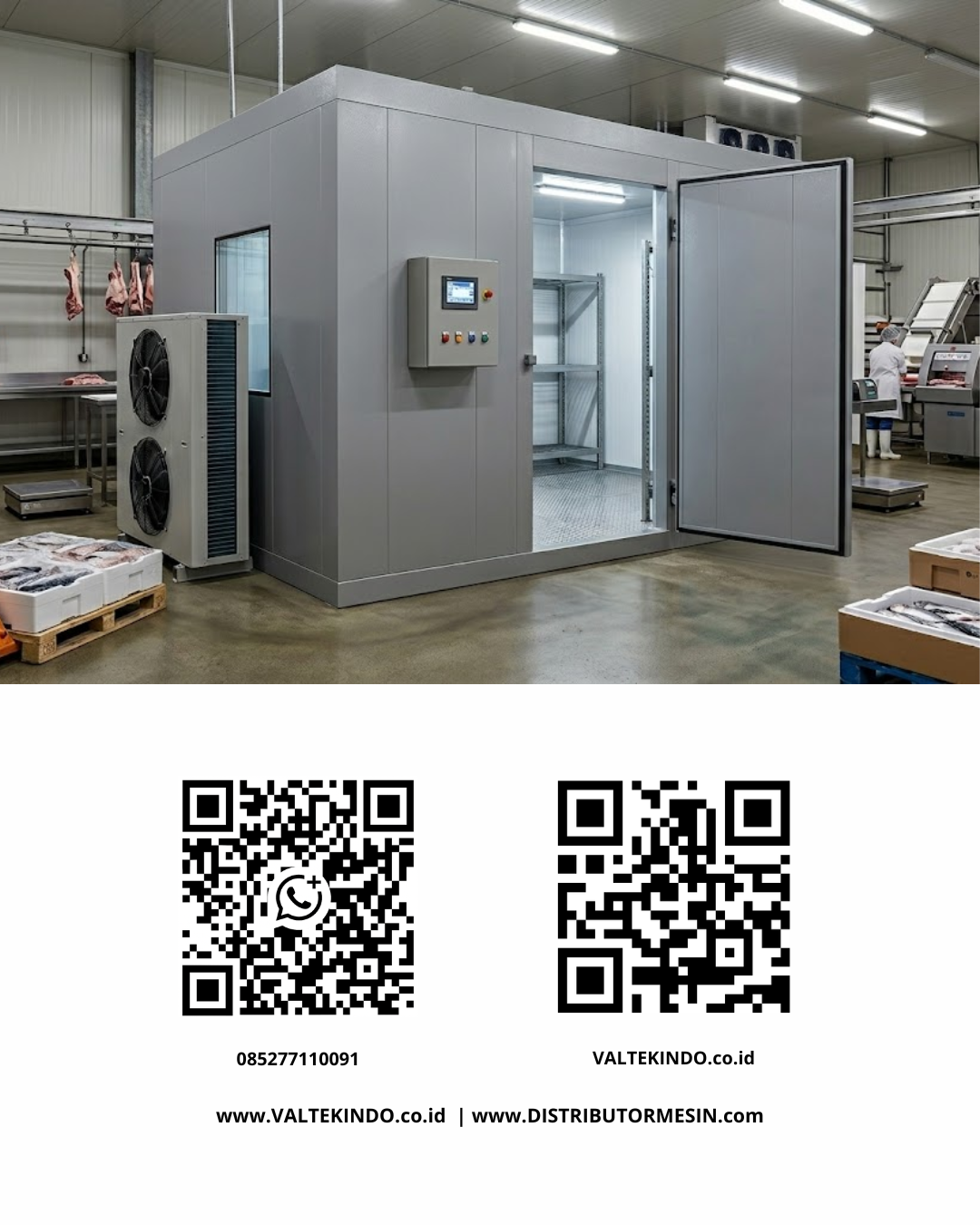
In the modern industrial supply chain, maintaining the integrity of temperature-sensitive products is a crucial challenge. One of the most vital technological solutions used today is cold room storage. These cooling chambers are not merely large refrigerated warehouses; they are sophisticated, controlled ecosystems specifically designed to slow down biological and chemical degradation in specific commodities. This article delves into the functions, working mechanisms, and strategic significance of cold rooms across various industrial sectors.
Understanding the Primary Functions of Cold Room Storage
The core function of a cold storage system is to create an environment with consistently stable temperature and humidity. In the food sector, the use of a [Cold Room Storage] system aims to inhibit the growth of bacteria and microorganisms that cause spoilage. Without a reliable cooling system, fresh products such as meat, vegetables, and fruits would lose their nutritional value and aesthetic appeal within a very short timeframe.
Beyond consumption needs, the pharmaceutical industry is heavily dependent on this technology. Many types of vaccines and medications require specific temperatures to ensure the effectiveness of their active ingredients remains intact. A failure in the cooling system can lead to massive financial losses and significant public health risks.
How Cold Rooms Work: Transforming Energy into Temperature Precision
The working system of a cooling room is based on a complex yet efficient refrigeration cycle. Generally, there are four main components working in sync: the compressor, condenser, expansion valve, and evaporator.
- Compression: The compressor compresses the refrigerant gas, increasing both its temperature and pressure.
- Condensation: The hot gas is directed to the condenser to release heat into the outside environment, transforming the gas into a liquid.
- Expansion: The liquid refrigerant passes through an expansion valve, which drastically drops its pressure, causing its temperature to become extremely cold.
- Evaporation: This cold liquid enters the evaporator inside the room. Here, the refrigerant absorbs heat from the air within the storage space, cooling the contents and turning back into a gas to repeat the cycle.
For needs requiring faster freezing, industries often integrate specialized equipment such as a high-quality industrial blast freezer to ensure that the ice crystals formed in the product are small, thereby preserving the original texture when the product is eventually thawed.
The Strategic Role in Maintaining Product Quality
The proper implementation of cold room storage has a direct impact on the final quality of a product. Here are some of its essential roles:
- Extending Shelf Life: By lowering enzymatic activity, products can be stored much longer than at room temperature, allowing for distribution across wider geographical areas.
- Food Safety: Low temperatures are the first line of defense in preventing food poisoning caused by pathogenic bacterial contamination.
- Humidity Stability: In addition to temperature, regulating humidity within the cooling unit prevents products from wilting or becoming too dry, which is critical for the horticulture industry.
- Operational Efficiency: With better stock management within organized cold warehouses, companies can minimize production waste due to damaged goods (food loss and waste).
The Importance of Standardization and Maintenance
Simply having a cooling system is not enough. It requires a deep understanding of thermal insulation, the use of high-quality sandwich panels, and digital monitoring systems that can provide alerts if unwanted temperature fluctuations occur. To ensure the system runs optimally in the long term, regular checks for refrigerant leaks and the cleanliness of condenser coils are highly recommended.
For industrial players looking to optimize operational efficiency and maintain the highest quality standards, the selection of cooling infrastructure must be based on accurate technical calculations. You can explore various technical solutions and specifications for laboratory and industrial equipment on this official page to gain a deeper reference regarding current storage technology standards.
Optimize Your Industry Today!
Achieve production efficiency and the highest quality standards with a trusted industrial machinery provider. Explore our wide selection of premium processing and testing equipment at:
Website : valtekindo.co.id
Website : distributormesin.com
Consult your technical needs with our expert sales team:
WhatsApp 1: +62 852-2211-0091
WhatsApp 2: +62 852-7711-0091

Admin
AuthorAdmin is a writer on the Valtekindo website, providing informative content about High Quality Industrial Machinery and Testing Machines.
Related post:
- Pharmaceutical Factory Production Escalation Strategy: Why Investing in an Automatic Capsule Filling Machine is the Most Crucial Business Decision
- High-Precision Wire Cut EDM Technology in 2026: The Ultimate Solution for Mold Making, Stamping Dies, and Automotive Component Fabrication Without Thermal Distortion
- 2026 Automated Carton Sealer & Erector Investment Guide: End-of-Line Automation Strategies for Industrial Plant Efficiency