Analyzing the Economic and Environmental Impact of Global Plastic Recycling Systems
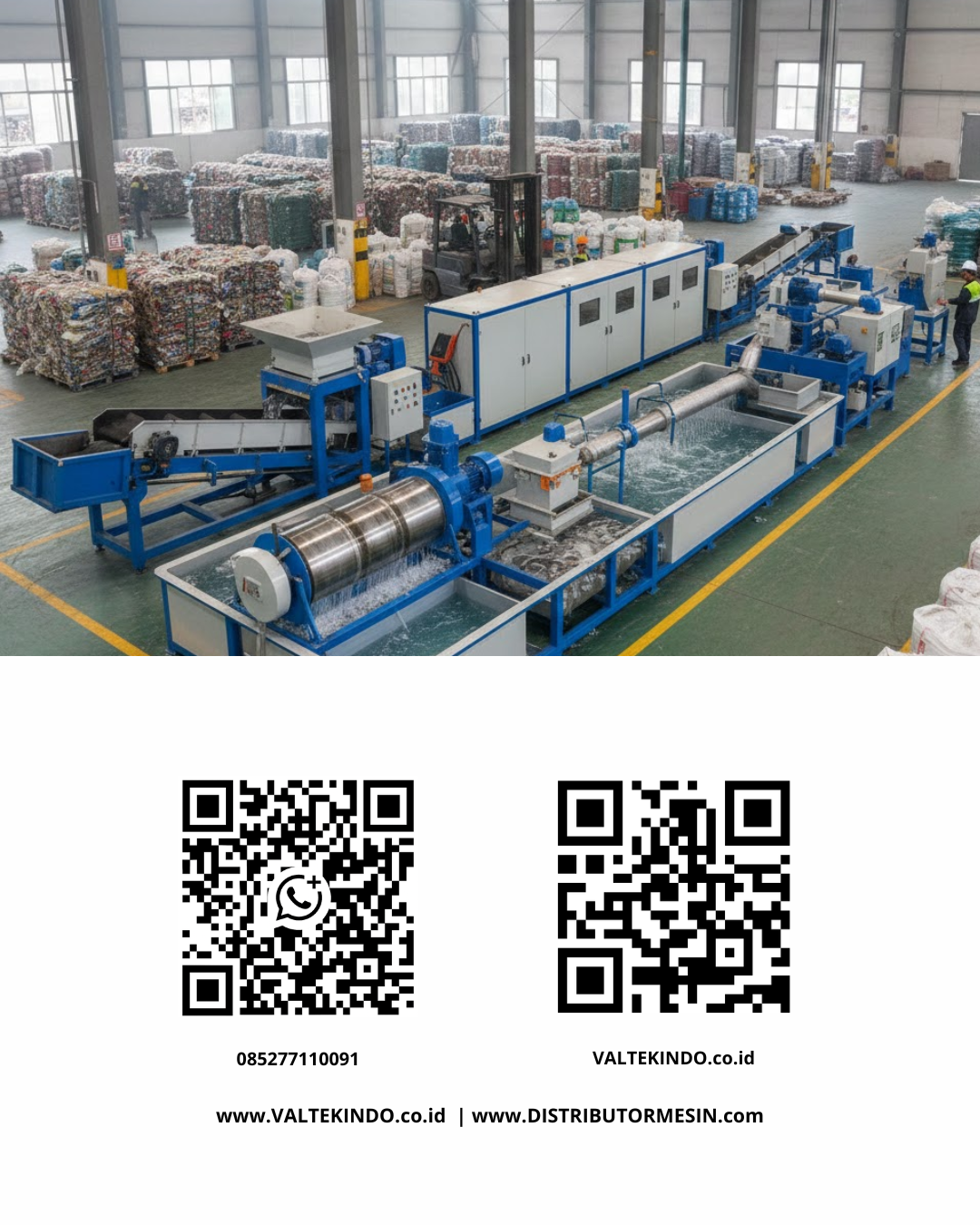
The plastic pollution crisis has evolved from a purely environmental concern into a complex global economic challenge. As global plastic production continues to rise, the need for efficient waste management systems has become critically urgent. Global plastic recycling systems are no longer just a lifestyle trend; they are a primary pillar in the transition toward a sustainable circular economy.
Environmental Perspective: Moving Beyond Waste Reduction
Environmentally, the effectiveness of recycling systems is crucial in reducing the industrial carbon footprint. Improperly managed plastic ends up in our oceans, damaging marine ecosystems and entering the human food chain as microplastics. By implementing the right processing technologies, we can significantly reduce the extraction of fossil fuels, which are the primary raw materials for virgin plastic.
Transforming waste into ready-to-use materials helps preserve biodiversity by mitigating soil and water pollution. The use of advanced mechanical systems capable of deep cleaning ensures that post-consumer plastic is no longer an ecological burden, but rather a resource that continuously circulates within the production cycle.
Economic Impact: Unlocking Value from Waste
From an economic standpoint, the recycling industry creates massive investment opportunities. The transition from a linear "take-make-dispose" model to a circular one opens new jobs in collection, sorting, and processing sectors. Globally, the circular economy is predicted to yield trillions of dollars in benefits due to reduced raw material costs and enhanced operational efficiency.
The market for recycled plastics (such as rPET, rPP, and rPE) is seeing a surge in demand as governments worldwide introduce regulations mandating recycled content in product packaging. This shift drives innovation in more efficient production tools. For industrial players, adopting an integrated plastic recycling system is a strategic move to convert waste management costs into profitable new revenue streams.
Challenges in the Global System
Despite the clear benefits, global recycling systems still face significant hurdles regarding standardization. Variations in plastic polymers often complicate the separation process. Therefore, industrial infrastructure must be capable of handling heavy workloads while maintaining high purity in the final output. Without robust processing technology, the quality of recycled materials will struggle to compete with virgin plastics in the open market.
Furthermore, collection logistics in developing nations remain a major bottleneck. Investing in supporting technology that can process various types of plastic—from films to rigid plastics—is the key to macro-level success. Further insights into various technological solutions to support industrial sustainability can be explored through specialized industrial machinery distribution resources focused on manufacturing efficiency.
Conclusion
Analysis of the economic and environmental impacts demonstrates that plastic recycling is not just about saving the planet, but also about strengthening global economic resilience. The synergy between government policy, consumer awareness, and the availability of capable processing technology will define the future of our planet. With integrated systems, plastic waste that was once a threat can now be transformed into a valuable asset for future industries.
Optimize Your Industry Today!
Achieve production efficiency and the highest quality standards with a trusted industrial machinery provider. Explore our wide selection of premium processing and testing equipment at:
Website : valtekindo.co.id
Website : distributormesin.com
Consult your technical needs with our expert sales team:
WhatsApp 1: +62 852-2211-0091
WhatsApp 2: +62 852-7711-0091

Admin
AuthorAdmin is a writer on the Valtekindo website, providing informative content about High Quality Industrial Machinery and Testing Machines.
Related post:
- Pharmaceutical Factory Production Escalation Strategy: Why Investing in an Automatic Capsule Filling Machine is the Most Crucial Business Decision
- High-Precision Wire Cut EDM Technology in 2026: The Ultimate Solution for Mold Making, Stamping Dies, and Automotive Component Fabrication Without Thermal Distortion
- 2026 Automated Carton Sealer & Erector Investment Guide: End-of-Line Automation Strategies for Industrial Plant Efficiency