A Comprehensive Guide to Understanding Components and Heating Principles of Muffle Furnaces
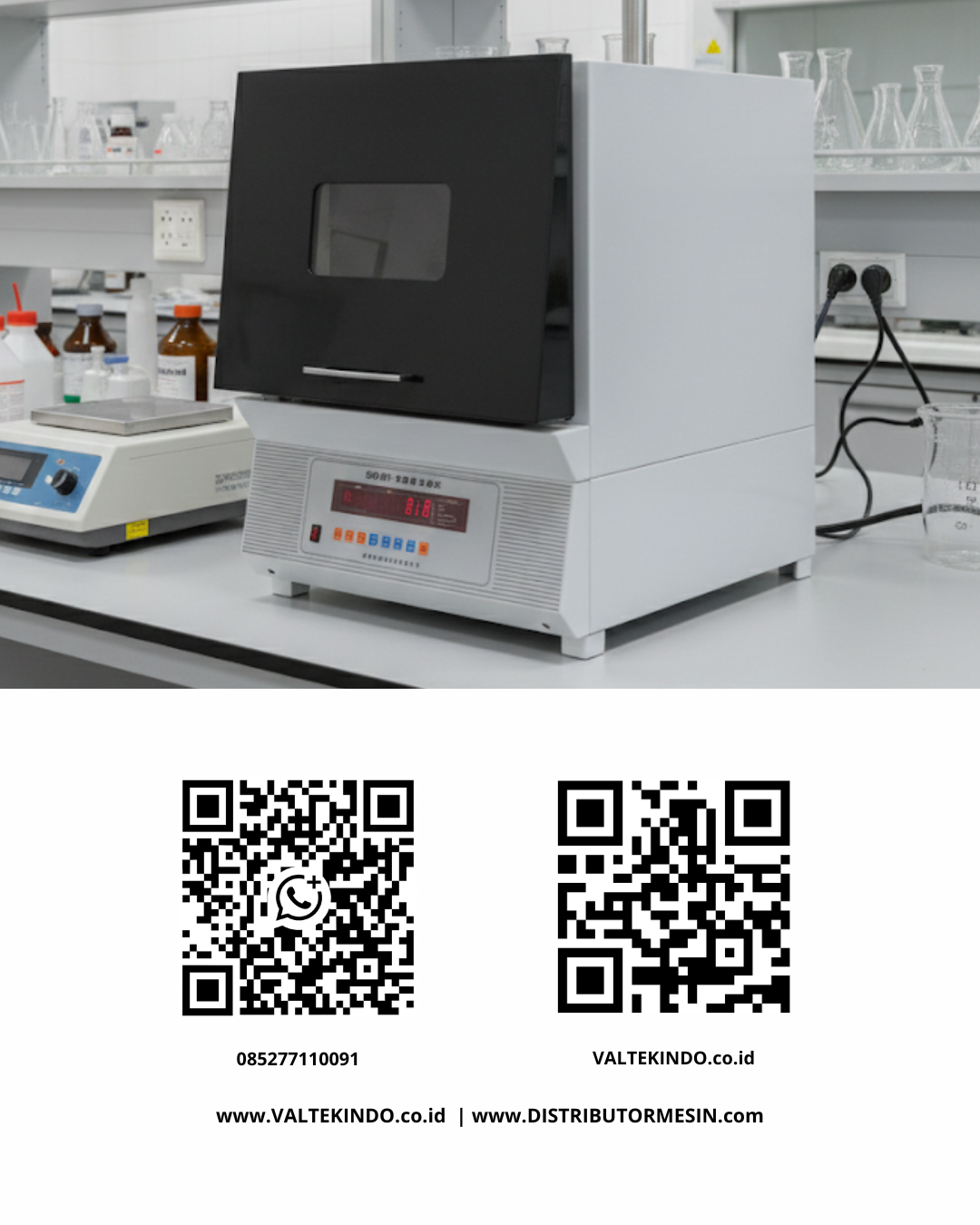
In the realms of laboratory research and industrial processing, achieving extreme temperatures while maintaining a pristine environment is a critical requirement. This is where the Muffle Furnace becomes indispensable. Whether it is for gravimetric analysis, material ashing, or heat treatment, understanding how this equipment functions is key to ensuring precise experimental results.
What is a Muffle Furnace?
A muffle furnace is a type of heating equipment that isolates the object being heated from the heating elements. The term "muffle" refers to the inner chamber or barrier that prevents direct contact between the sample and the heat source. This design ensures that the internal atmosphere remains uncontaminated by combustion by-products or electrical elements, while also promoting superior temperature uniformity.
Core Components of a Muffle Furnace
To appreciate the efficiency of this device, one must understand the synergy between its primary components:
- Heating Chamber (Muffle): Usually constructed from high-grade alumina or ceramic fiber. This chamber houses the samples and is designed to withstand thermal shock.
- Heating Elements: These are the "engine" of the furnace. Common materials include Kanthal wire for temperatures up to 1200°C, or Silicon Carbide (SiC) and Molybdenum Disilicide (MoSi2) for applications requiring heat up to 1800°C.
- Thermal Insulation: High-density ceramic fiber layers surround the chamber. Effective insulation is vital for energy efficiency and ensuring the exterior shell remains safe to touch.
- Temperature Controller (PID): Modern units utilize Proportional-Integral-Derivative (PID) controllers. These allow users to program specific "ramps" and "dwells," ensuring the temperature rises and stays at the desired setpoint with minimal fluctuation.
- Exhaust Vent: A small chimney or vent that allows gases or smoke—often generated during the ashing process—to escape safely.
The Physics of the Heating Principle
The operation of a muffle furnace relies on conduction, convection, and radiation within a closed system. When the heating elements are energized, they generate intense thermal energy. This heat is first absorbed by the muffle walls through radiation.
Once the walls reach the target temperature, they radiate heat uniformly onto the sample placed inside. Because the sample is enclosed, it is shielded from direct "hot spots" that might occur with open-flame or exposed-element heating. This controlled environment is why professional component analysis relies so heavily on this technology; it provides the stability needed for sensitive chemical reactions.
Key Benefits for Laboratory Use
Utilizing a muffle furnace offers several strategic advantages:
- Atmospheric Control: It prevents the sample from reacting with external contaminants.
- High Precision: Digital controllers allow for repeatability in experiments, which is essential for peer-reviewed research.
- Durability: High-quality furnaces are built to withstand thousands of heating cycles without structural degradation.
Common Applications
Muffle furnaces are used across a wide spectrum of industries:
- Pharmaceuticals: For determining the ash content in medications to ensure purity.
- Materials Science: For sintering ceramics or annealing metal alloys to change their physical properties.
- Environmental Testing: To burn off organic matter from soil or water samples.
To achieve the best results, it is crucial to source equipment that meets international safety and performance standards. You can explore more about technical specifications and various chamber capacities by visiting a trusted laboratory equipment provider to find a solution that matches your operational budget and technical requirements.
Maintenance Tips for Longevity
To extend the life of your furnace, regular calibration is essential. Always ensure the chamber is free from chemical spills, as corrosive residues can eat away at the ceramic lining. Furthermore, avoid "thermal shock" by not opening the door at maximum temperatures; allowing the furnace to cool naturally protects both the door seal and the heating elements.
Optimize Your Industry Today!
Achieve production efficiency and the highest quality standards with a trusted industrial machinery provider. Explore our wide selection of premium processing and testing equipment at:
Website : valtekindo.co.id
Website : distributormesin.com
Consult your technical needs with our expert sales team:
WhatsApp 1: +62 852-2211-0091
WhatsApp 2: +62 852-7711-0091

Admin
AuthorAdmin is a writer on the Valtekindo website, providing informative content about High Quality Industrial Machinery and Testing Machines.
Related post:
- Pharmaceutical Factory Production Escalation Strategy: Why Investing in an Automatic Capsule Filling Machine is the Most Crucial Business Decision
- High-Precision Wire Cut EDM Technology in 2026: The Ultimate Solution for Mold Making, Stamping Dies, and Automotive Component Fabrication Without Thermal Distortion
- 2026 Automated Carton Sealer & Erector Investment Guide: End-of-Line Automation Strategies for Industrial Plant Efficiency