A Comprehensive Guide to Selecting Hospital and Laboratory-Grade Autoclave Sterilizers in Indonesia
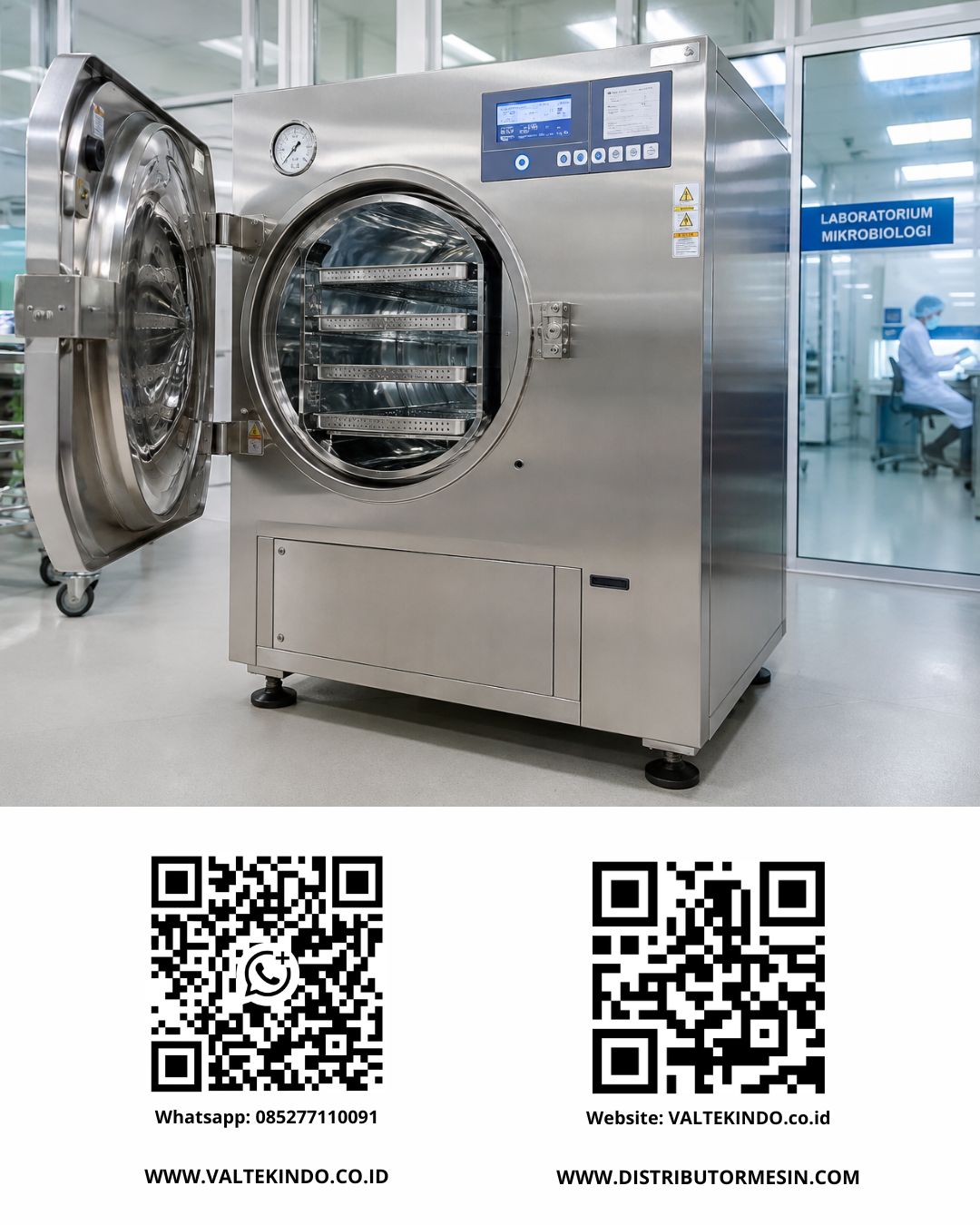
Introduction: The Urgency of Sterilization Standards in B2B Scales In the landscape of modern industrial and medical facilities, sterilization is not merely an additional operational step, but the backbone of quality assurance, patient safety, and strict regulatory compliance. Amidst the rapid growth of the healthcare and laboratory manufacturing sectors in Indonesia, the need for reliable, highly durable sterilization equipment becomes increasingly critical. These devices are specifically engineered to eradicate pathogenic microorganisms, including highly resistant bacterial spores, through the utilization of latent heat from high-pressure steam. For decision-makers, procurement managers, and hospital or factory investors, understanding the technical specifications of sterilization equipment is an indispensable primary step in planning long-term facility investments.
Working Principles and Thermodynamics of Steam Sterilization The thermodynamics underlying the pressurized steam sterilization process involves a precise relationship between temperature, pressure, and exposure time. Generally, this process operates at a standard temperature of 121°C (250°F) with a pressure of approximately 15 psi, or on a faster cycle at 134°C (273°F) with 30 psi pressure. Optimal performance is achieved when saturated steam comes into direct contact with the materials being sterilized, releasing latent heat energy that causes coagulation and cellular protein denaturation of microorganisms.
It is crucial to understand that machine reliability heavily depends on the quality of the sterilization chamber, typically constructed from 304L or 316L stainless steel, which possesses high corrosion resistance. The pre-vacuum system is strictly essential to remove air from within the chamber, ensuring uniform steam penetration into instruments with small hollows or porous materials. Without absolute air extraction, air pockets act as thermal insulators, potentially aborting the sterilization cycle.
Autoclave Classification Based on Procurement Needs European Standards (EN 13060) classify autoclaves into three main categories that purchasing teams must deliberate before issuing a Request for Quotation (RFQ):
- Class N (Naked Solid Products): Designed solely for unwrapped solid instruments. This type utilizes thermodynamic air displacement (gravity displacement) and is not recommended for medical facilities handling complex surgical instruments.
- Class S (Specified by Manufacturer): Possesses capabilities above Class N with a single vacuum pump system. It can sterilize wrapped solid instruments and some porous materials according to manufacturer specifications.
- Class B (Big Small Sterilizers): This is the highest standard mandatory for hospitals, surgical clinics, and advanced laboratories. Equipped with a fractional vacuum pump capable of totally extracting air, allowing the sterilization of hollow instruments (such as dental handpieces or endoscopes), textiles, and porous loads with maximum steam penetration.
Selection Criteria and Industrial Equipment Regulations For both hospitals and pharmaceutical plants, compliance with sterilization standards such as ISO 13485 and the regulations of the Indonesian Ministry of Health is absolute. Equipment procurement must not solely focus on the initial purchase price (Capital Expenditure), but also on operational efficiency and the Total Cost of Ownership (TCO). As an industrial machinery distributor operating extensively in this sector,
In evaluating technical specifications, investors and facility managers must guarantee the availability of spare parts and automated cycle data loggers, which are vital for hospital accreditation audit purposes. Therefore, the procurement of a
Lifecycle Management and Preventive Maintenance Investing in sterilization infrastructure demands a meticulously planned lifecycle management strategy. Daily preventive maintenance encompasses cleaning the door gasket and inspecting the chamber drain strainer to prevent blockages. Weekly and monthly maintenance must incorporate Bowie-Dick tests to validate vacuum pump performance and Vacuum Leak Tests. Calibration of temperature and pressure sensors must be conducted periodically by certified technicians. The absence of an adequate preventive maintenance program will result in mechanical cycle failures, heightened electrical power consumption, and cross-contamination risks that are fatal to medical institution accreditations and factory production licenses.
Conclusion The decision to procure an autoclave sterilizer demands a comprehensive analysis of technical parameters, instrument classifications, and adherence to medical and industrial safety regulations. Partnering with equipment providers or distributors that possess proficient after-sales technical capabilities constitutes a strategic foundation to guarantee long-term investment efficiency. An optimal sterilization system not only protects patients and the workforce but also elevates the institution's operational credibility in the eyes of regulators and stakeholders.
Contact Our Sales Team Today
Looking for high-quality industrial machinery, factory automation solutions, or customized equipment for your business? Our experienced sales team is ready to help you find the right solution, provide technical consultation, and offer the best pricing.
Contact Our Official WhatsApp Sales Team:
WhatsApp Sales 1: 085222110091
WhatsApp Sales 2: 085277110091
Visit our official websites to explore our complete product catalog, machine operation videos, technical information, and exclusive offers:
valtekindo.co.id
distributormesin.com
PT. Valtekindo Global Intertek is your trusted partner for industrial machinery, processing equipment, recycling systems, laboratory instruments, and factory automation solutions. Contact us today for a free consultation and receive the best solution tailored to your business needs.

Admin
AuthorAdmin is a writer on the Valtekindo website, providing informative content about High Quality Industrial Machinery and Testing Machines.
Related post:
- Pharmaceutical Factory Production Escalation Strategy: Why Investing in an Automatic Capsule Filling Machine is the Most Crucial Business Decision
- High-Precision Wire Cut EDM Technology in 2026: The Ultimate Solution for Mold Making, Stamping Dies, and Automotive Component Fabrication Without Thermal Distortion
- 2026 Automated Carton Sealer & Erector Investment Guide: End-of-Line Automation Strategies for Industrial Plant Efficiency